Rudder 5: Finishing Up

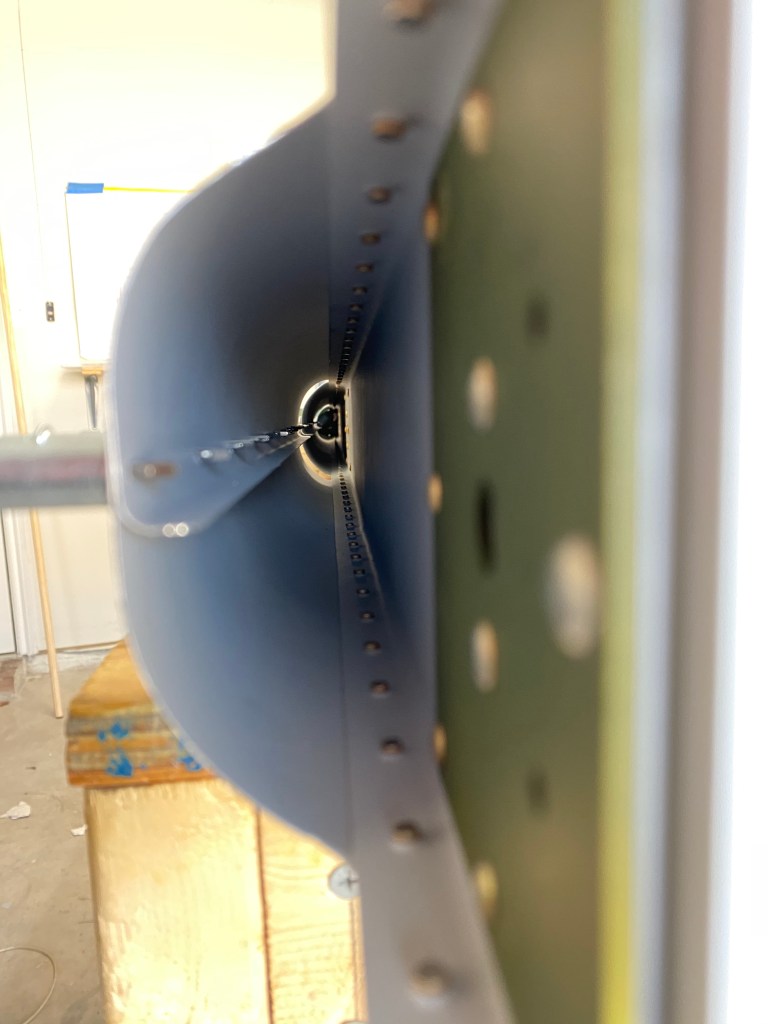
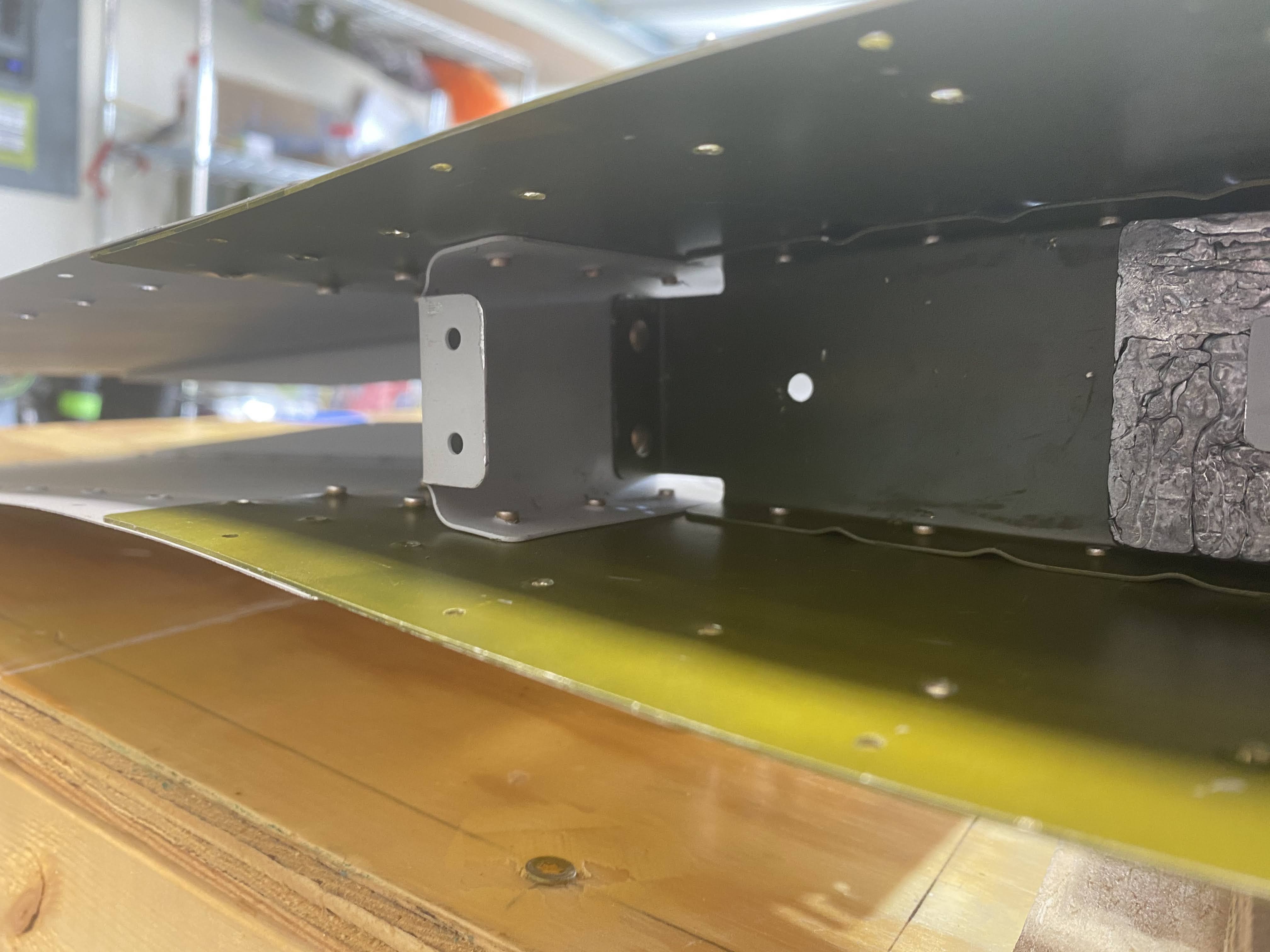
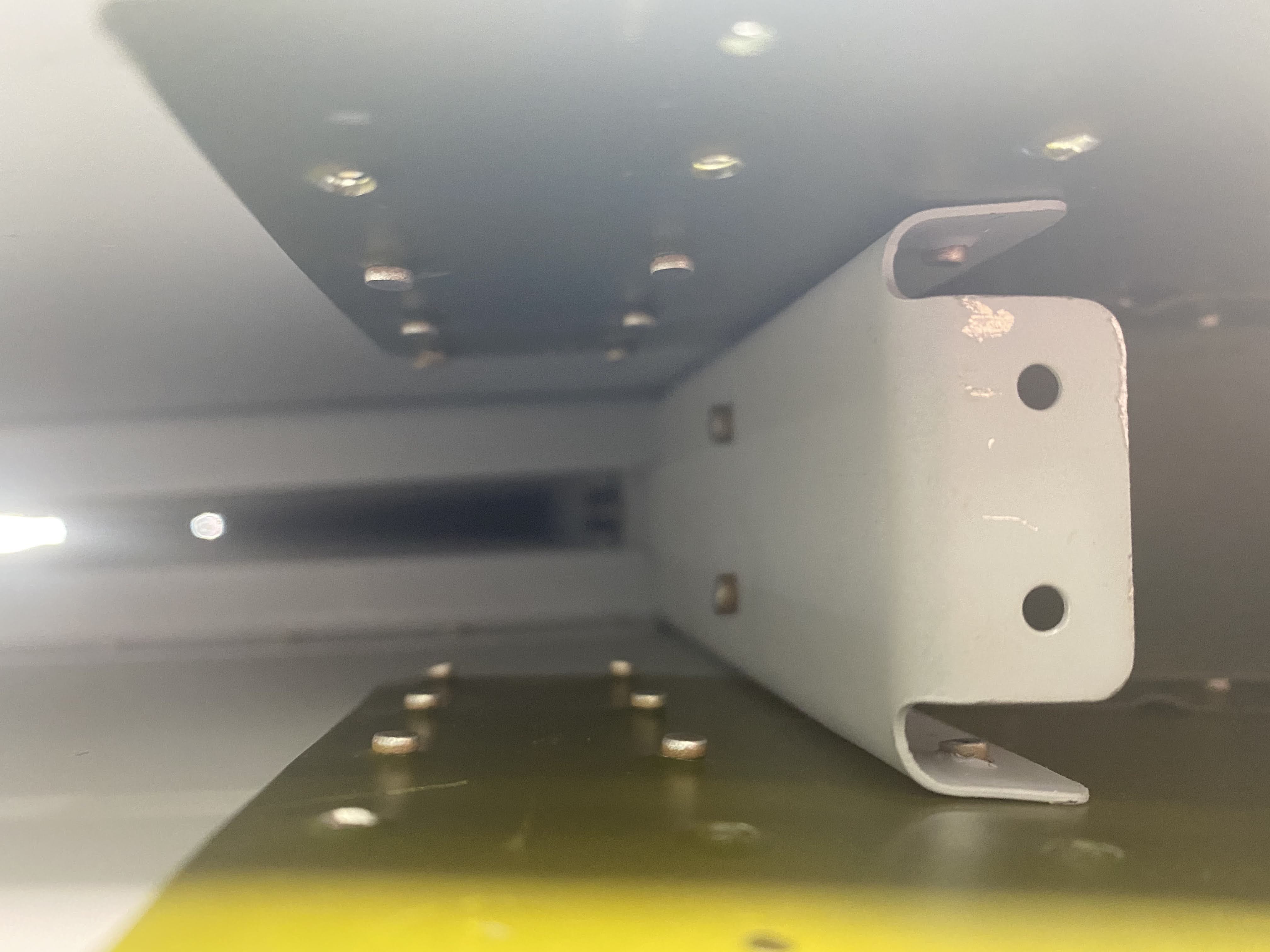
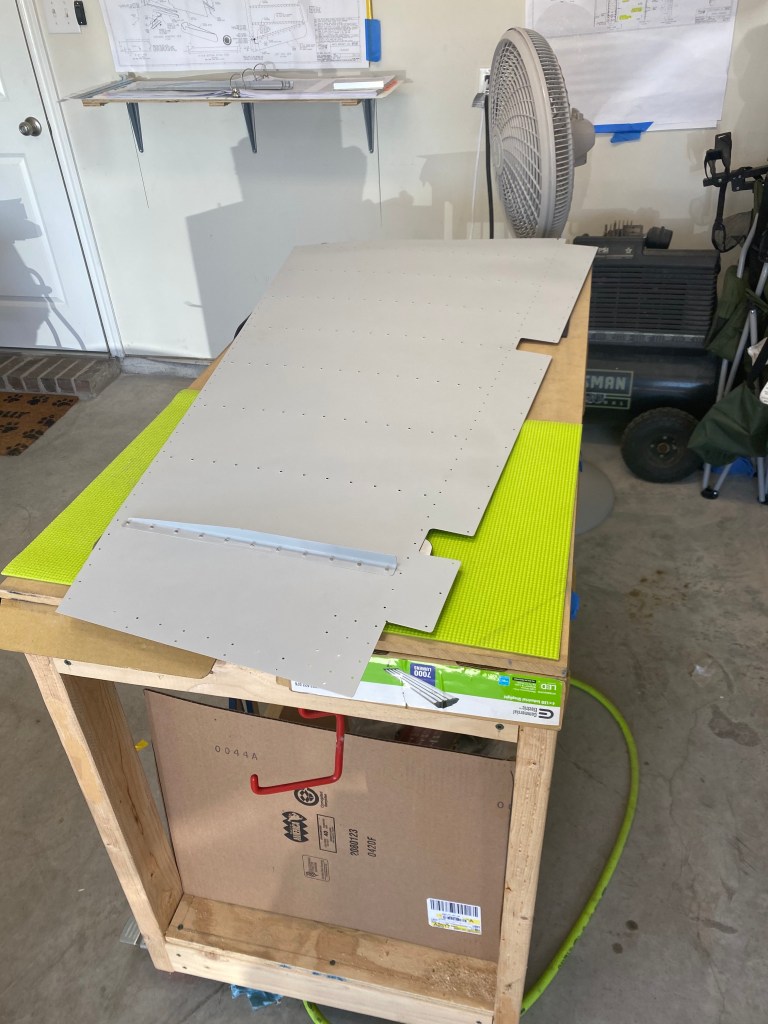
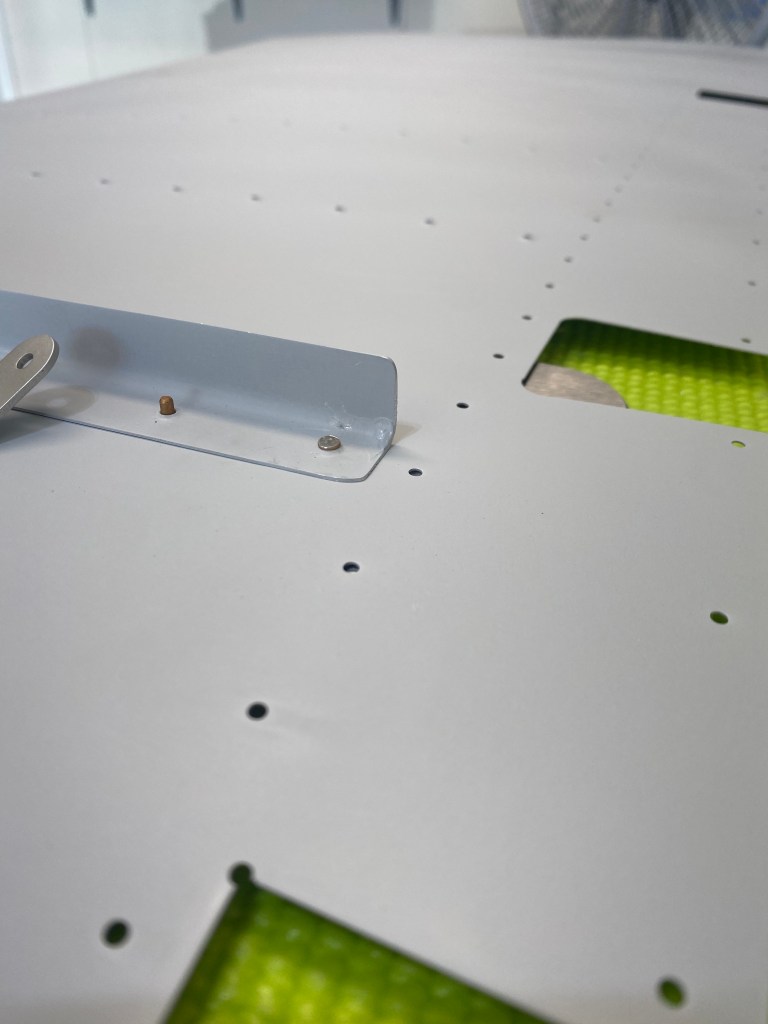
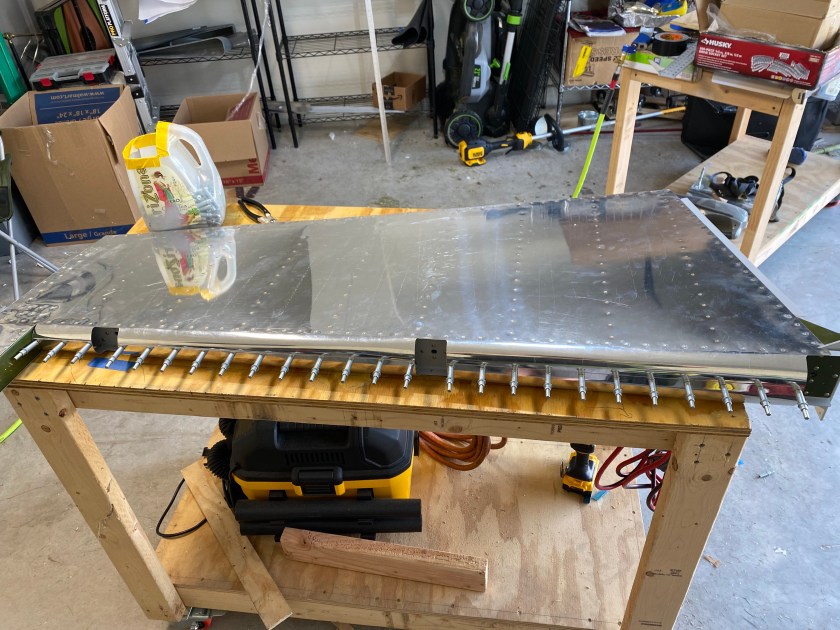
So, the next item up is the trailing edge of the Rudder. This consists of the skins being bonded to wedge and then riveted together. Both skins are dimpled to get a smooth finish, so the wedge has to be countersunk on both sides. This was a new technique for me, but after a little practice, I got the hang of it.

Next up, the wedge is placed between the skins, and bonded using a two part sealant. The edge is then attached to a piece of angled aluminum. This helps to set the trailing edge straight.

After letting the sealant set for a few days, you then rivet the trailing edge together. Overall, I’m very happy with the trailing edge. Only thing left is to roll the leading edge.

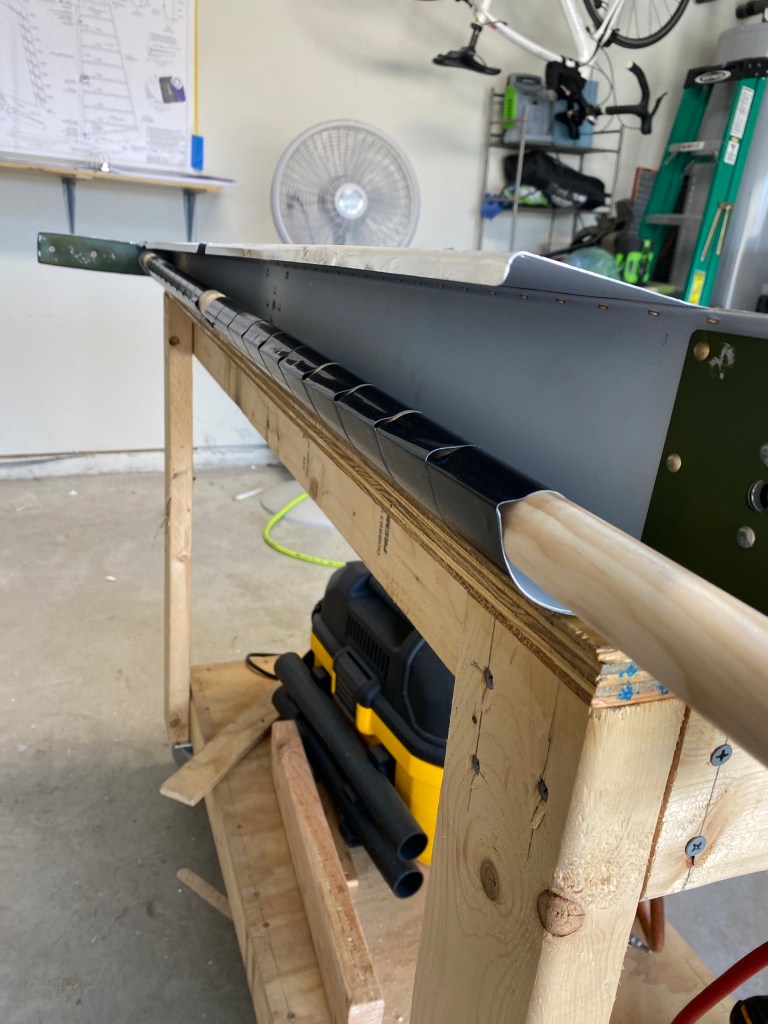
The last item to complete for the rudder is the roll the leading edge. This was not as difficult as I had thought. You get a one inch diameter dowel rod, tape it to the skin, and then roll the skin. It took a surprising amount of force, but I got it bent. Then I match drilled the holes, demurred them, and then pop riveted them together. This marks the completion of the rudder (until I do the fiberglass tips.).
Rudder 4: Riveting the Rudder

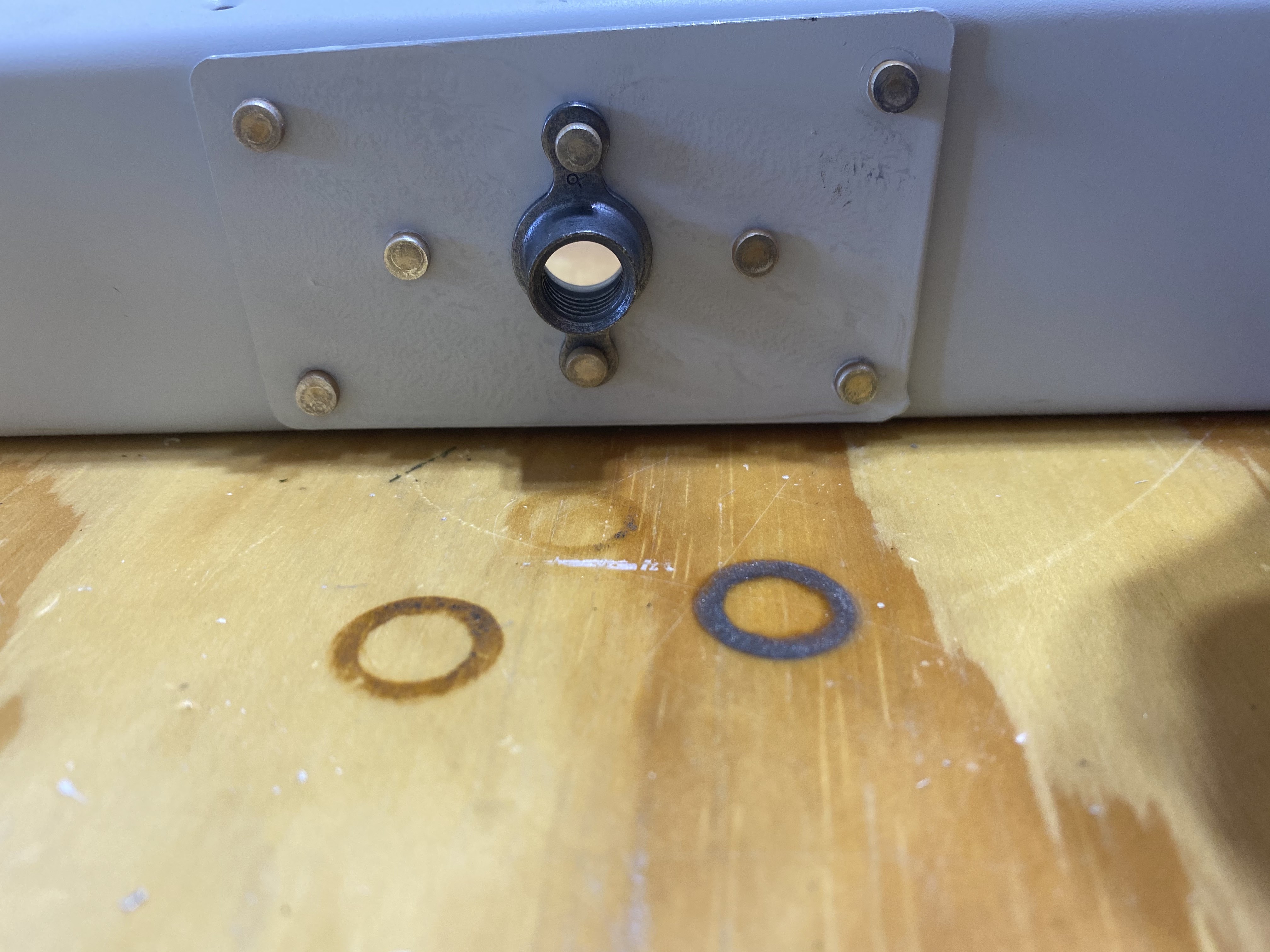
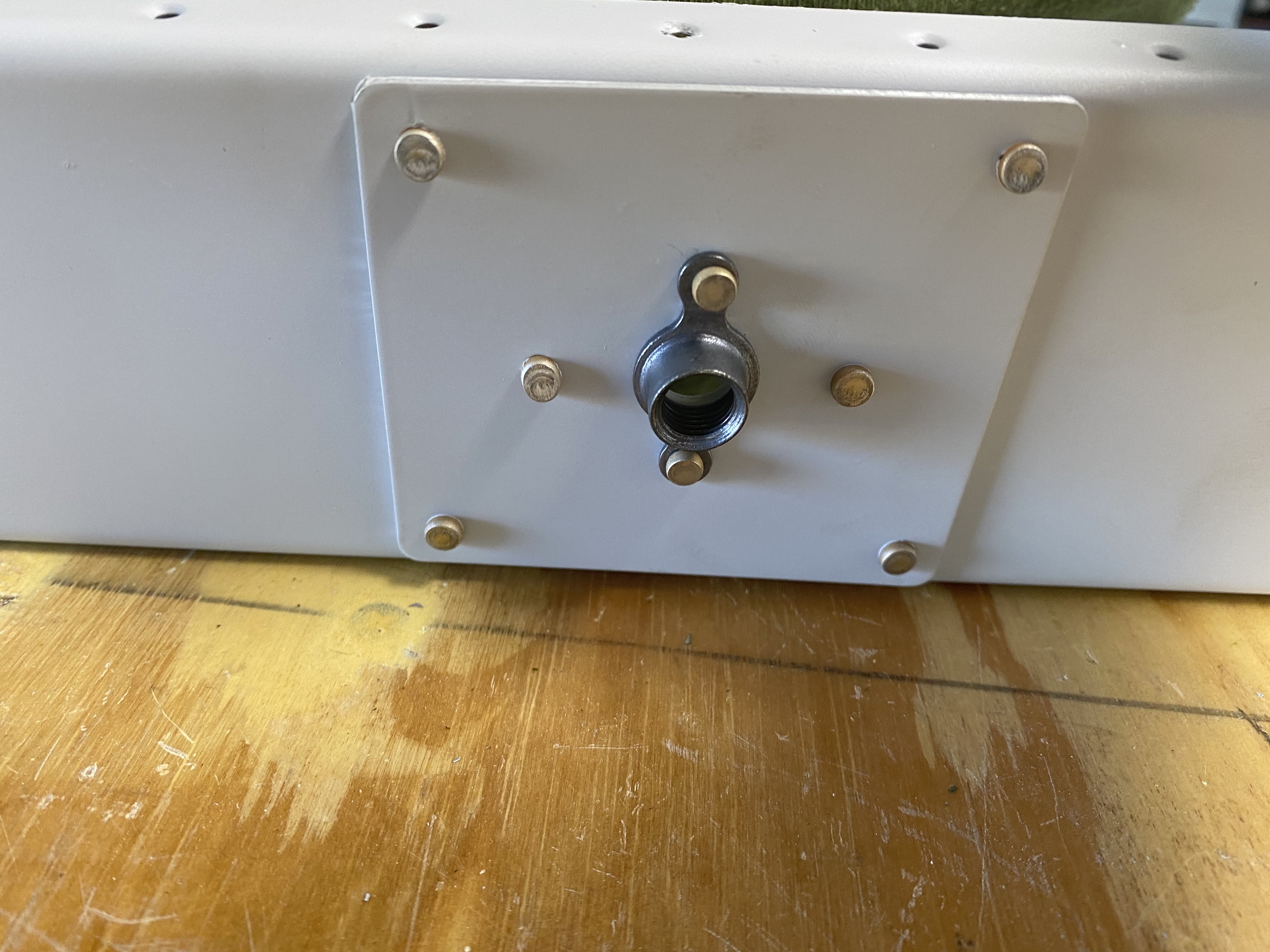
After making my rudder mistake, click here to read more about it, it took about a week and a half to get the part and catch back up to where I was. I started by riveting the reenforcement plates onto the rudder spar, correctly this time.

After this the lower rib, reenforcement plate, and the rudder horn were riveted to the spar.

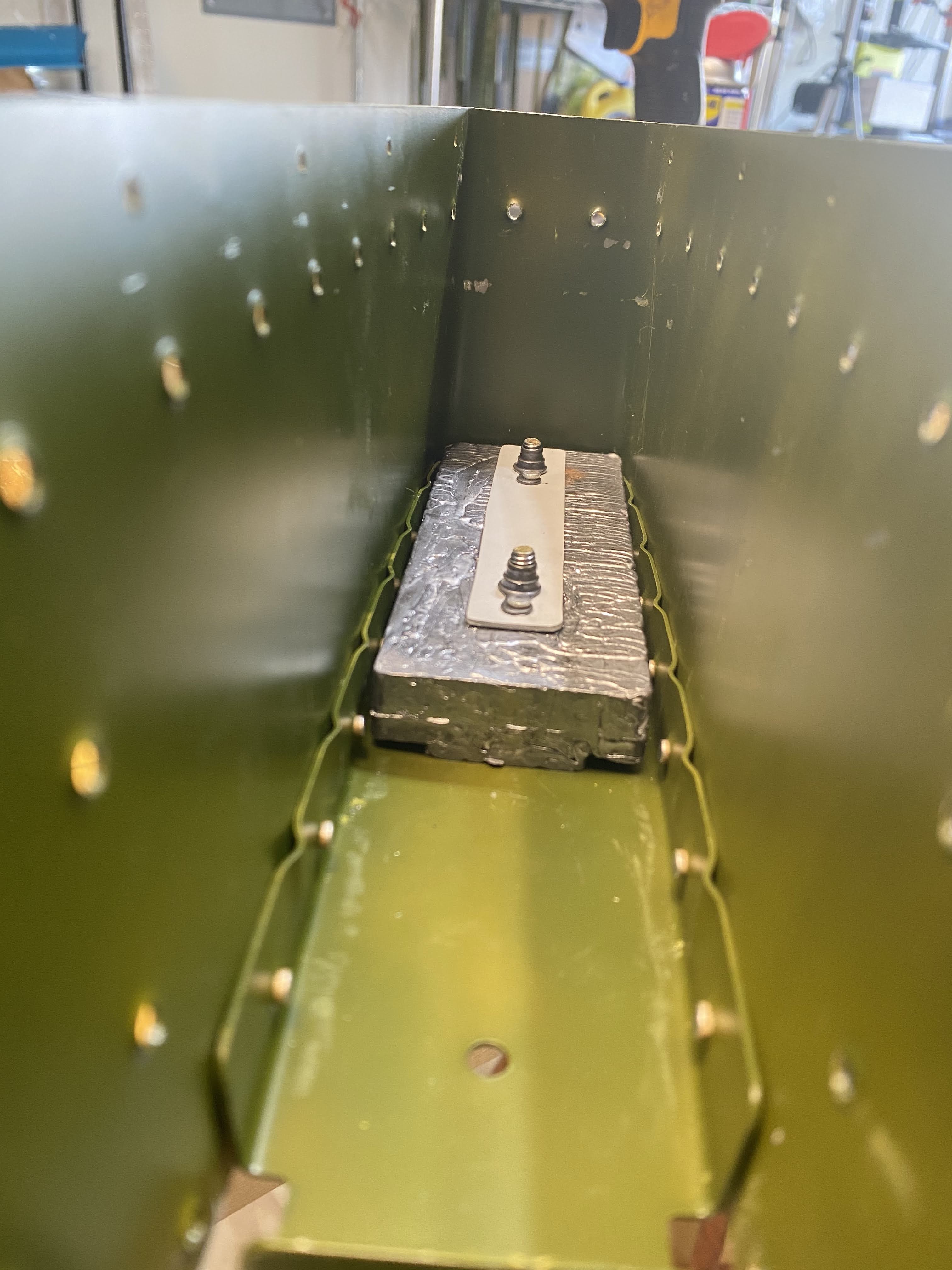
Next the counterbalance rib was riveted to the counter balance skin, and the counterbalance weight was attached. Then this assembly was riveted to the rudder spar as well.

Then the rudder skins where clecoed to the rudder spar and the counterbalance skin was riveted to the other skins. This took a combination of different riveting techniques to get all of the rivets set. After this was completed, the skin was riveted to the spar and the lower rib.

Finally the top rib was riveted into place, but I forgot to take pictures of this. Next up will be working on the trailing edge of the rudder.

First Major Mistake

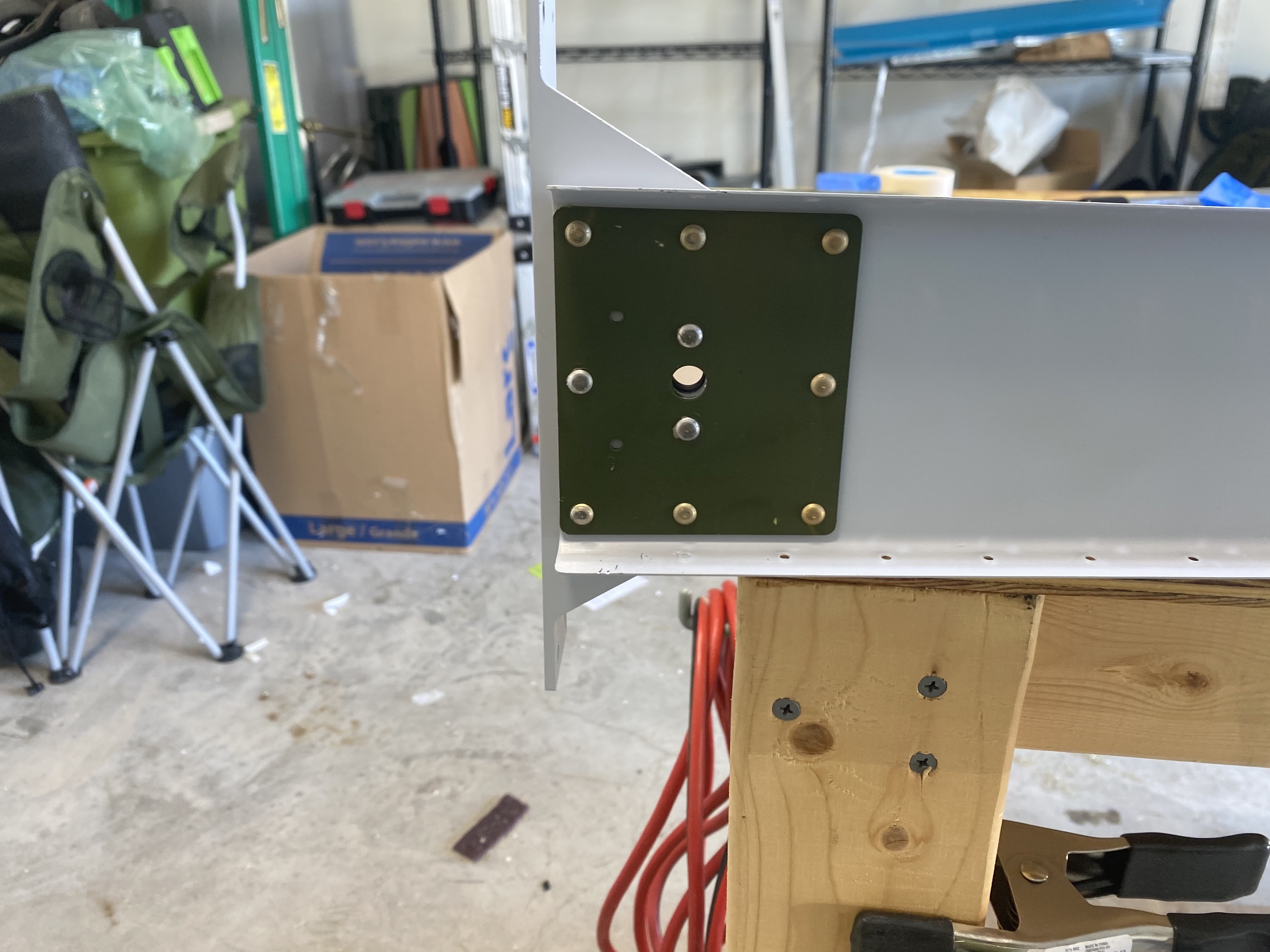
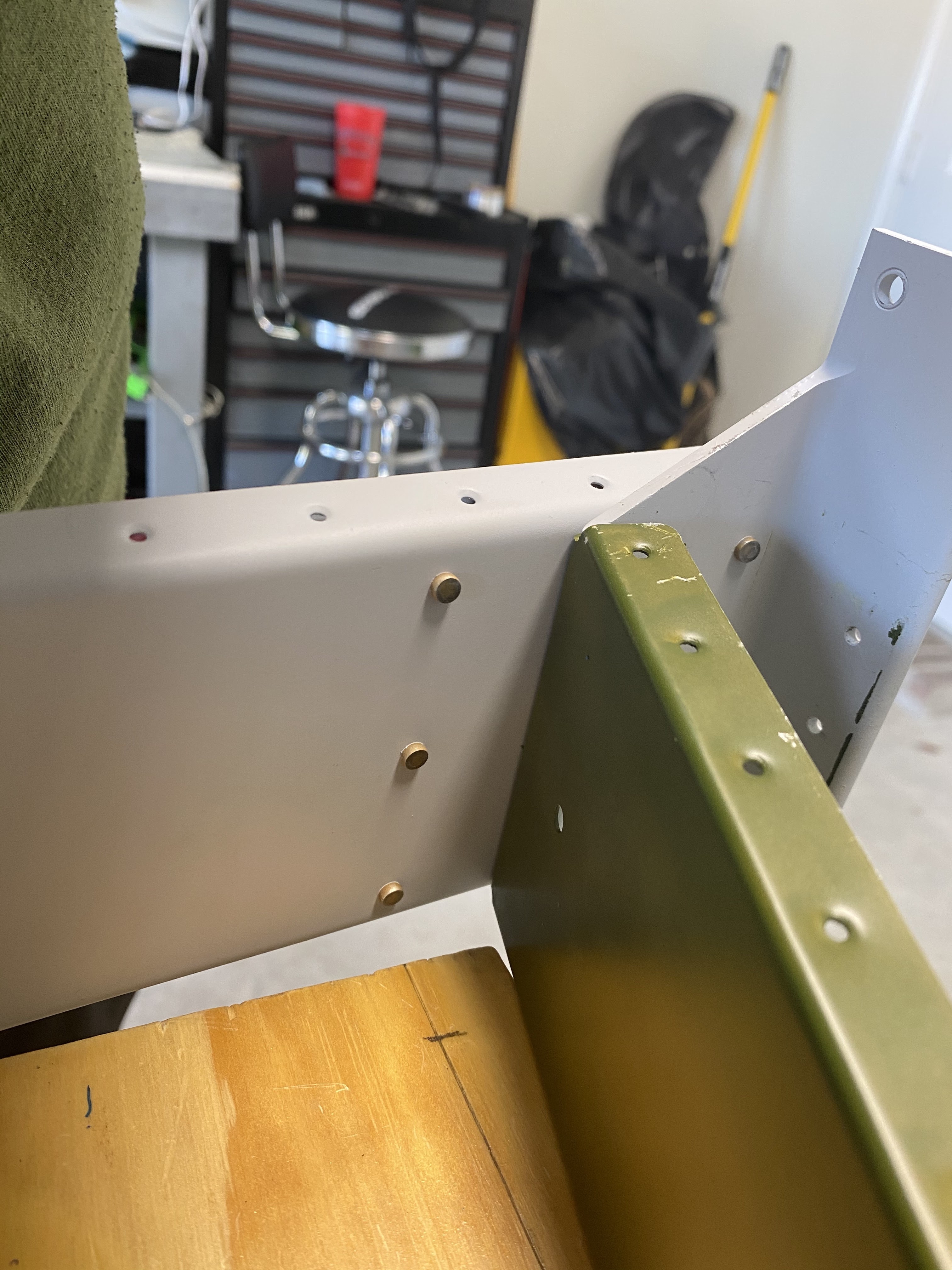
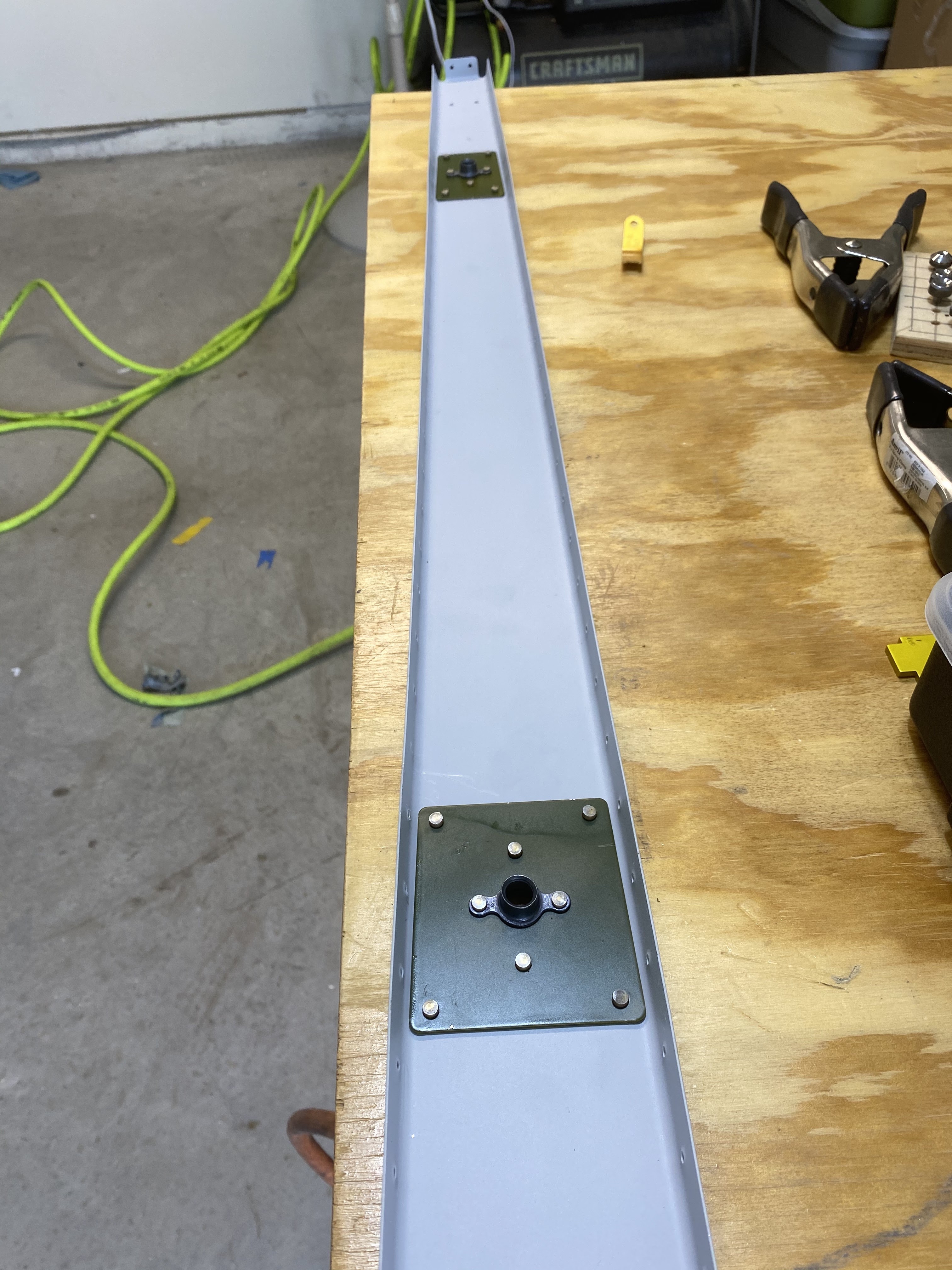
So, after the priming was complete, it is time to start final assembly of the rudder. The first parts assembled on the rudder are several reenforcement plates that hold the hardware that attach the rudder to the vertical stabilizer. I referenced the plans and started to rivet the parts together. After riveting two of the three plates, I recognized that I had made a mistake. Below is a picture of what I did.

The mistake is the those green plates should be both the other side of the gray piece. I did not double check the drawing and confused which side of the gray spar the plates should be on. So, to correct this, I had to drill out all of the rivets, move the plates to the back, and then re-rivet the plates to the spar.

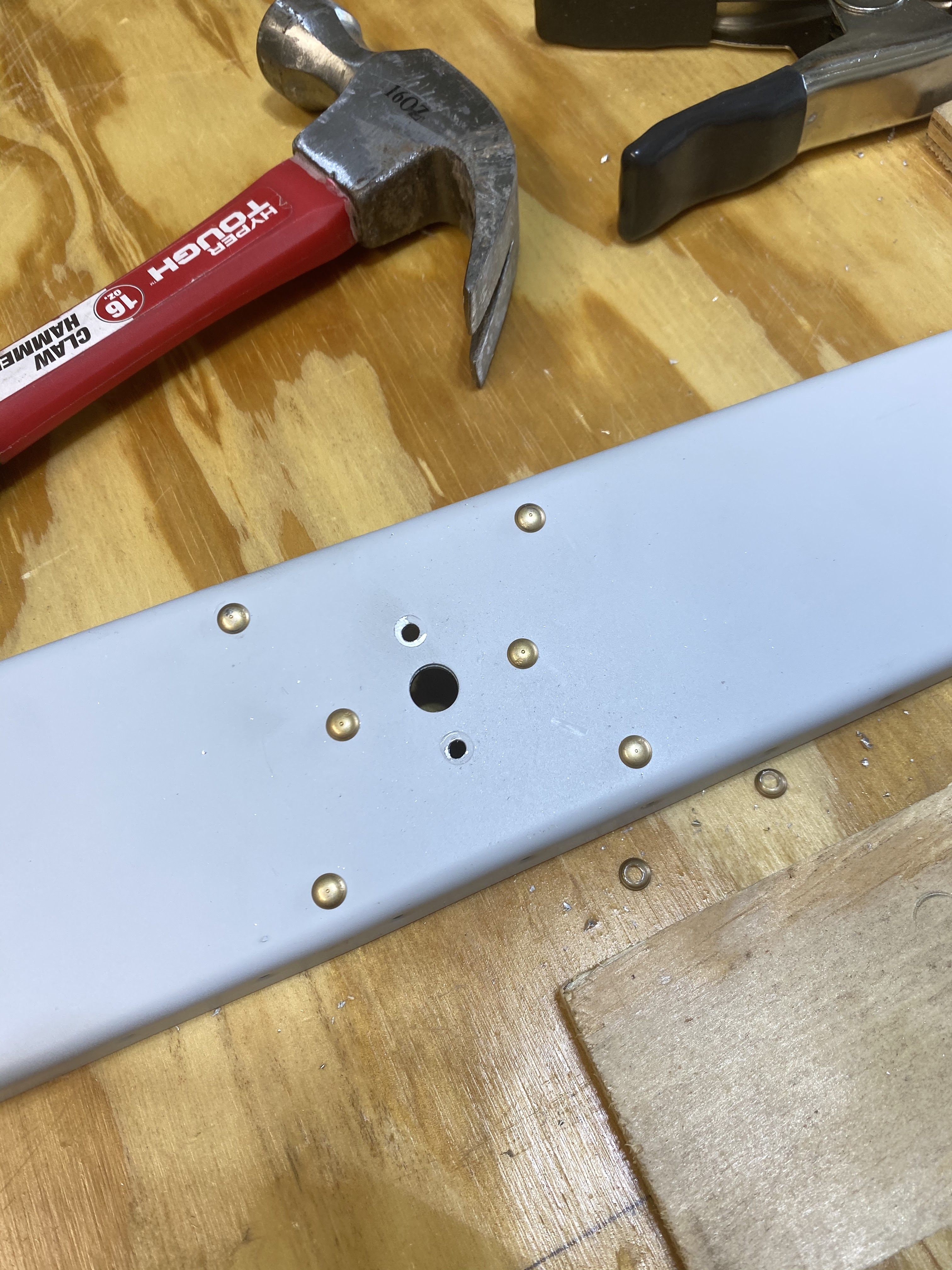
This would be super simple, except while drilling out the rivets, some of the holes became enlarged. Since this is a crucial part, I decided to reorder the parts from Van’s Aircraft and try again.

A valuable lesson was learned: double check the plans before riveting something together. A simple glance at the plans would have caught my mistake and saved me the time lost redoing work I had already completed.

Rudder 2

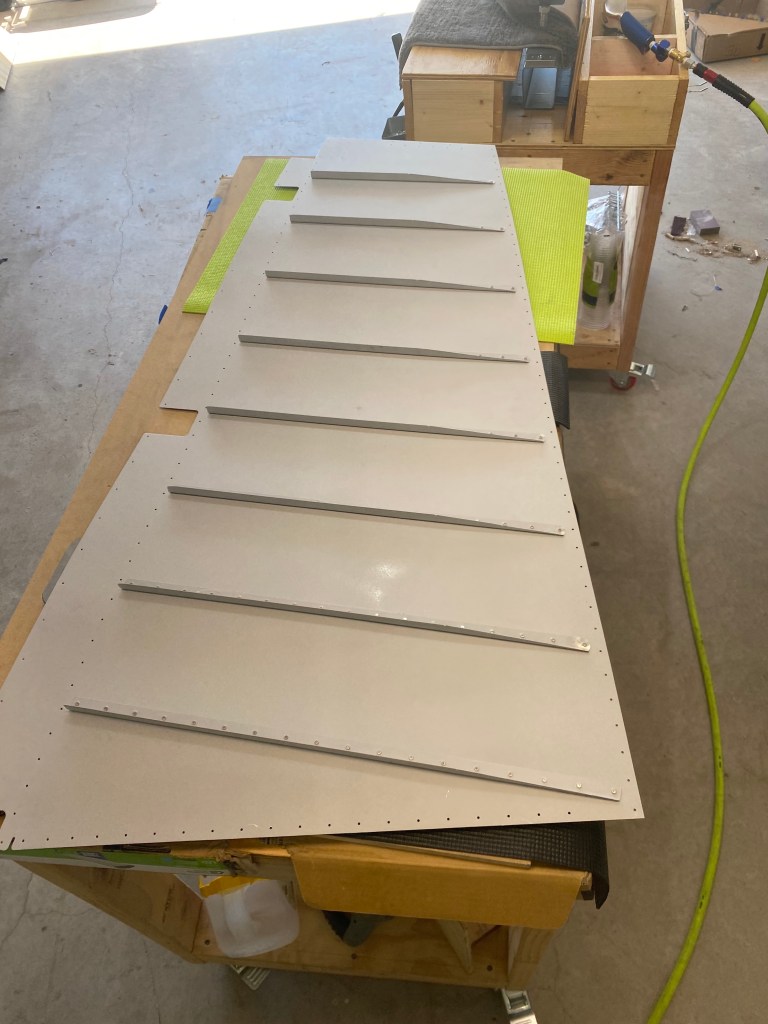
So after priming the next step is to rivet the rudder stiffeners to the skins. This is done using a technique called “back riveting”. To do this, special tape is used to hold the rivets in the hole, and then the outside of the skin is laid onto a large steel plate. The stiffener is then laid along the rivets, and you use the large plate as a bucking bar.

This seemed to be the easiest riveting so my dad and I tackled it first. For more on the first rivet, check out this post. There are eight stiffeners per side, and they range from 18 rivets to 11 rivets. In all, the riveting was fun. You are actually making an airplane part. This took most of the morning because we were stopping every rivet to inspect, and ensure they were airworthy.

In all we only drilled out one rivet from the skin. I had driven it off center and it did not set correctly. Overall very happy with the final product.

First Rivet

Big day! I set the first rivet on the project. Luckily, my dad had come to town to help out. He is an A&P Mechanic (certified airplane mechanic) with his IA (Inspection Authorization). This means he is able to work and maintain certified aircraft. His years of experience provided validation and built confidence in my work.

The first rivet of the project was between the rudder skin and a stiffener. I chose this as the first set, as it seemed to be the easiest riveting I could do. Luckily, the rivet came out very well, and checks on the diameter and length verified it was an airworthy rivet.

Priming Day

So since I have a large batch of parts ready to prime, it was time to set up the sprayer and get priming. I started out by scuffing up all the parts for the horizontal and vertical stabilizers and the rudder. This will give the primer something to “hold too”.

The primer that I am using for the entire aircraft is Stewart Systems EcoPrime. This is a one part, water based primer. The reason I chose this primer is because it is non-toxic, and being one part, it is an easier process. Being in a neighborhood, it is important to me to be respectful of my neighbors, so being water based and non-toxic was a key factor.

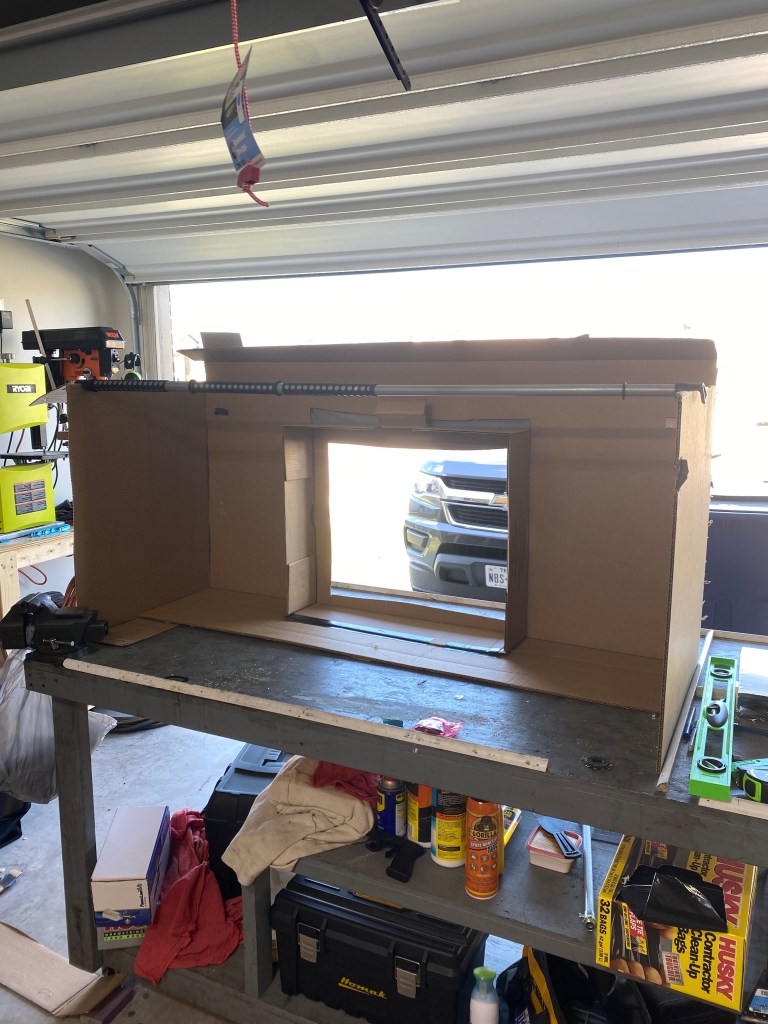
Next, I set up a spray “booth” from the cardboard box that the tail skins were delivered in. This booth helped to contain overspray and provide support for the bar which held the parts.

I was excited to start priming. It was another step forward. The more I primed, the better I got. I was able to work in batches, about an hour each. It took most of the day, but in the end, I was happy with my results.

Rudder 1

Now that the vertical stabilizer is ready for priming, the next step is to begin on the rudder. The first step is to take the provided stiffeners, cut them to length, shape the end, and match drill them to the skin.

After the stiffeners are match drilled, you debur and dimple the stiffeners and the skin. Then it is ready for priming.