Priming Ribs and Wing Stand

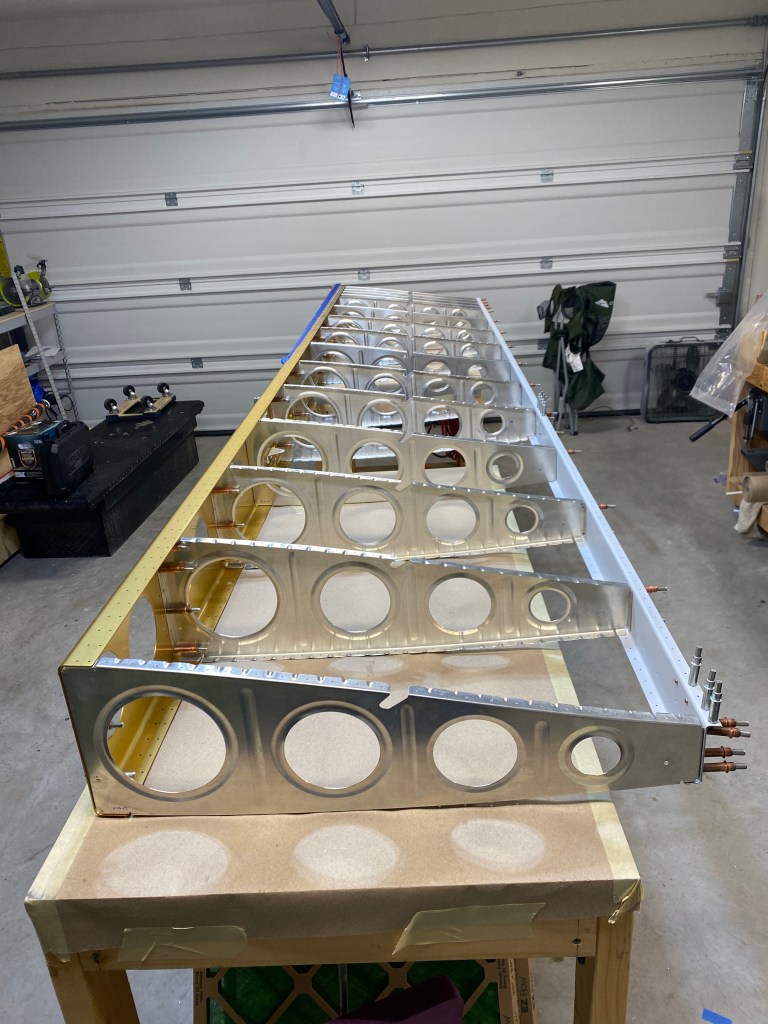
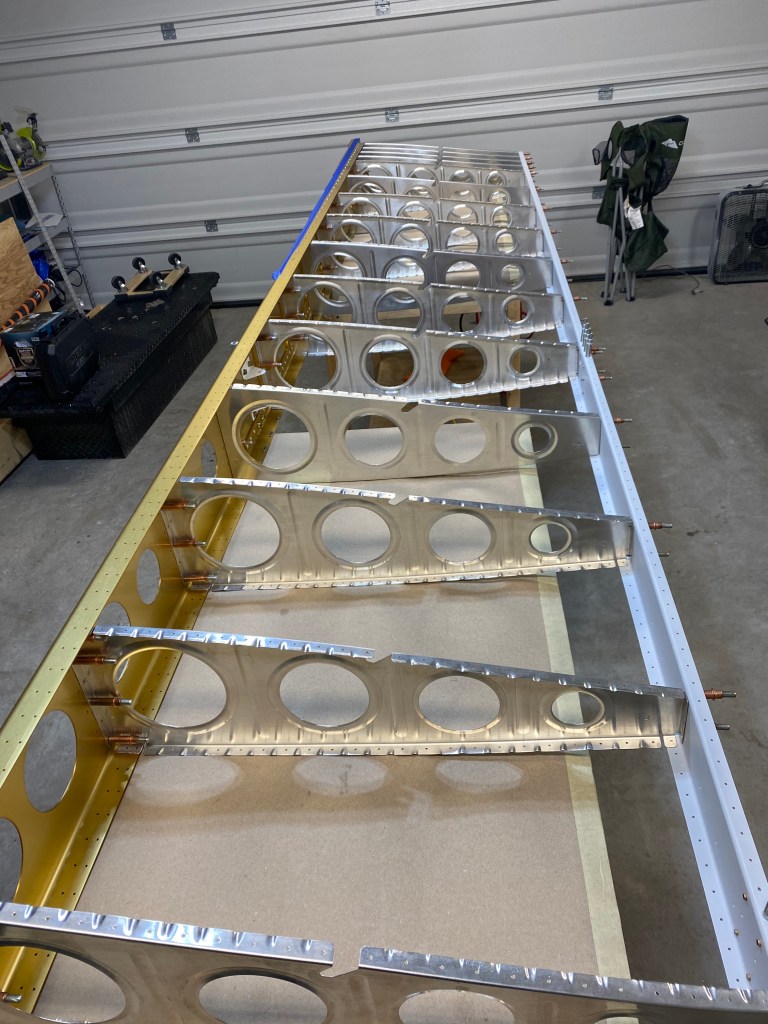
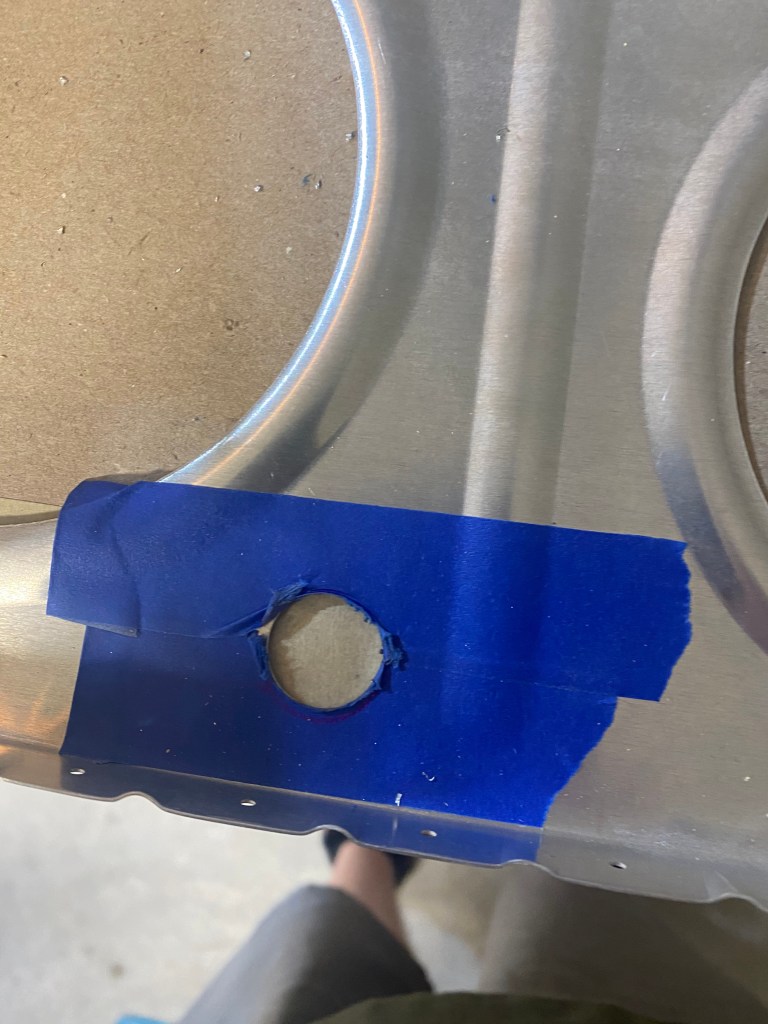
So after match drilling all of the ribs to the spars, it was almost time to prime the parts. Before priming, I drilled a 3/4 of an inch hole in an approved location. This will hold some tubing that will run the electrical wires down the wing. This was accomplished on both left and right wings. The priming took place over the Christmas holiday. Like normal, the parts were scuffed, cleaned, and primed with Stewart System’s Eko-Prime.
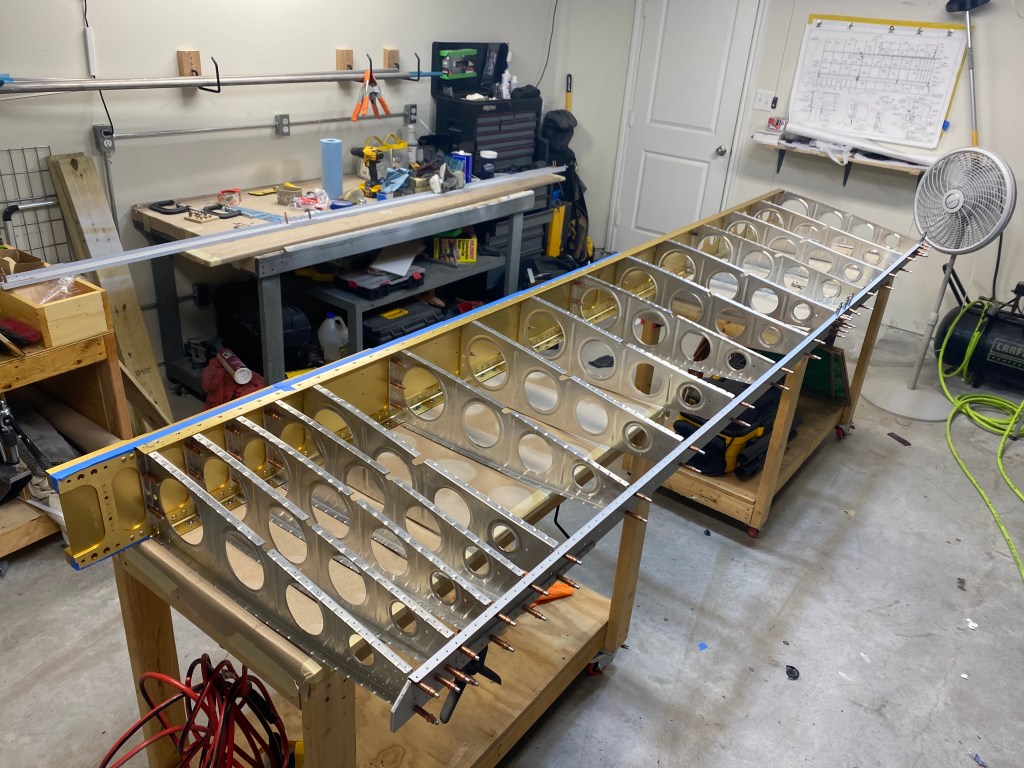
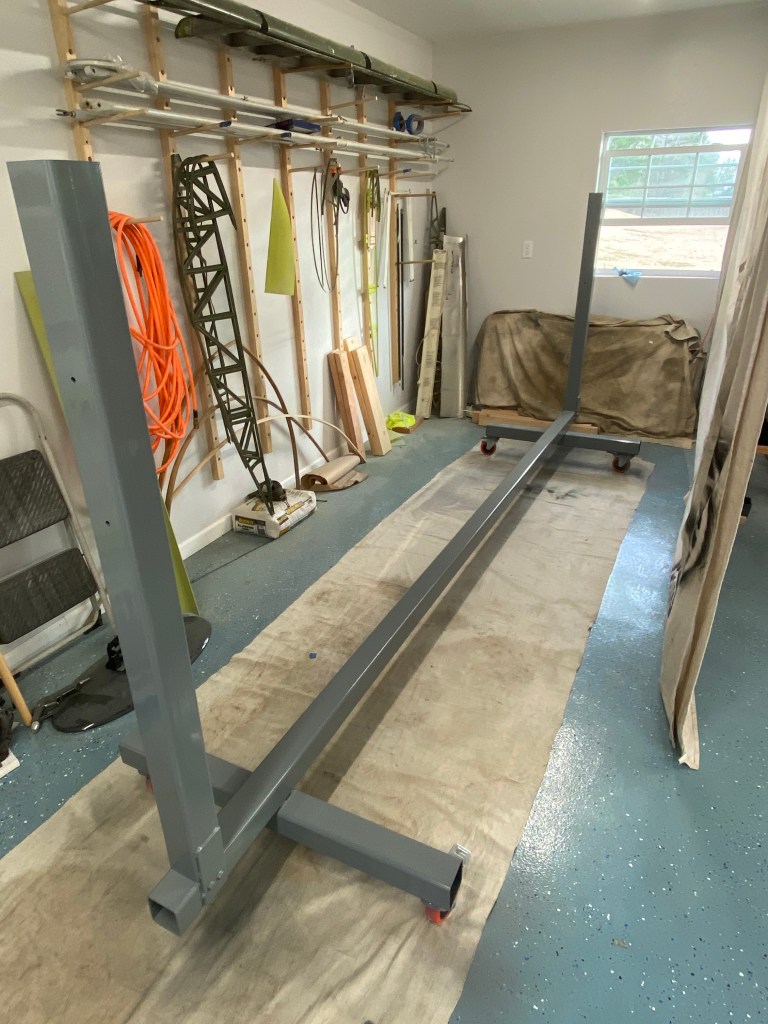
In order to build the wings it helps to have a stand for them. My dad helped me design and build a rigid structure for the wings. Being the nerd I am, I built the stand in a 3D modeling software during some spare time. There are no doubts in my mind about the strength of this stand. Its constructed out of 3 inch square tubing that is roughly 3/16 inches thick. Then the different pieces are welded together, and some support braces are used for extra strength. When all was said and done, I gave it the ole kick test, and it passed with flying colors!
Main Wing Structure

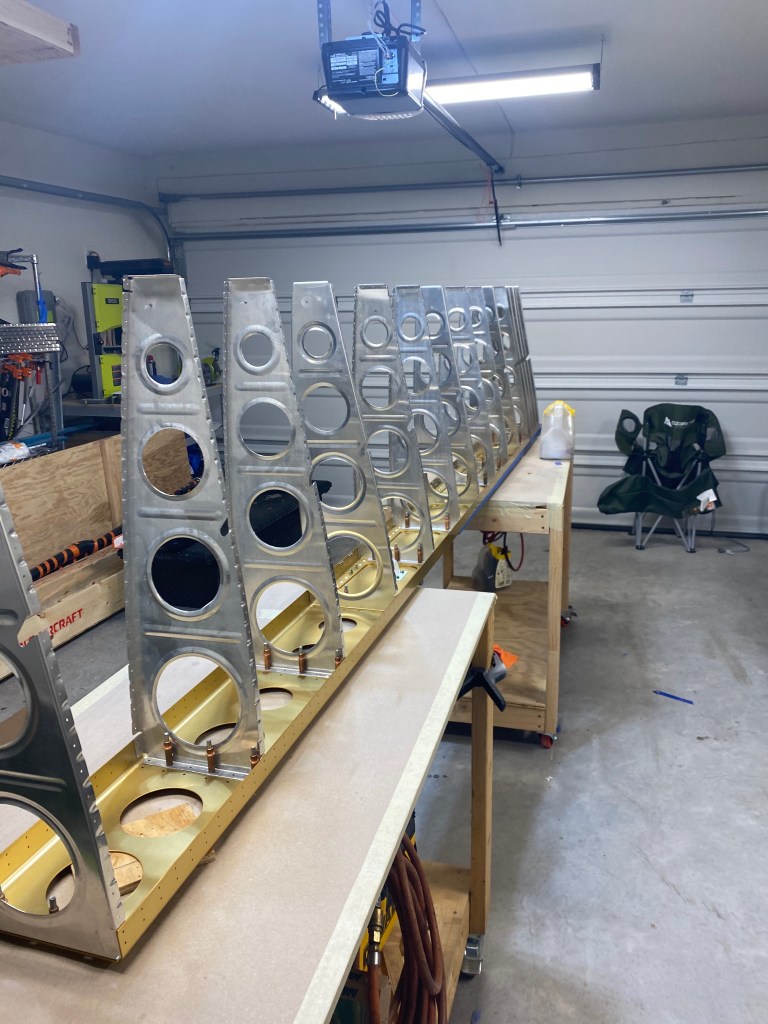
So now that the rear spar was match drilled together, it’s time to put the ribs between the spars, and match drill ribs to the main and rear spar. The most difficult part of the process was making sure that right rib was in the right place. There were two types of ribs, and each had a left and a right. The easiest way to to explain the differences in the ribs is one was inboard, and one outboard. The left and right noted which way the flange faced. This would be important when it’s time to add the skin.

The plans only detail the left wing, so you have to mirror it for the right wing (what was a left rib is now a right ribs, what was right is now left). So that part was confusing, but I made it through it, and I was extremely happy to have the ribs matched.

The Rear Spar

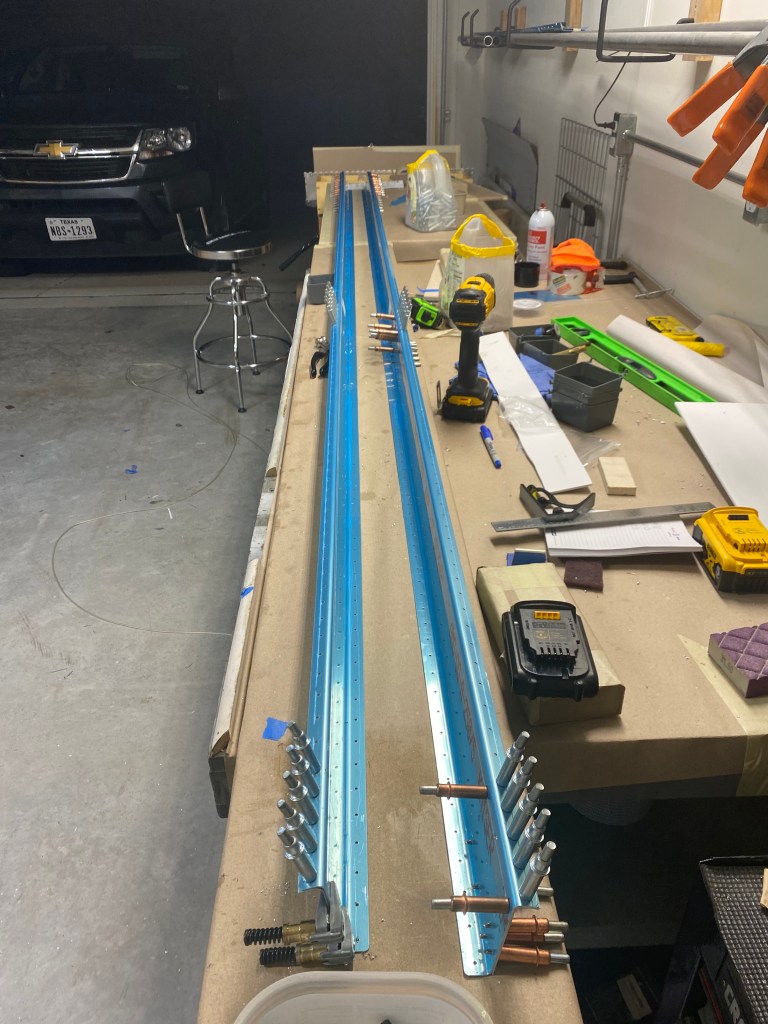
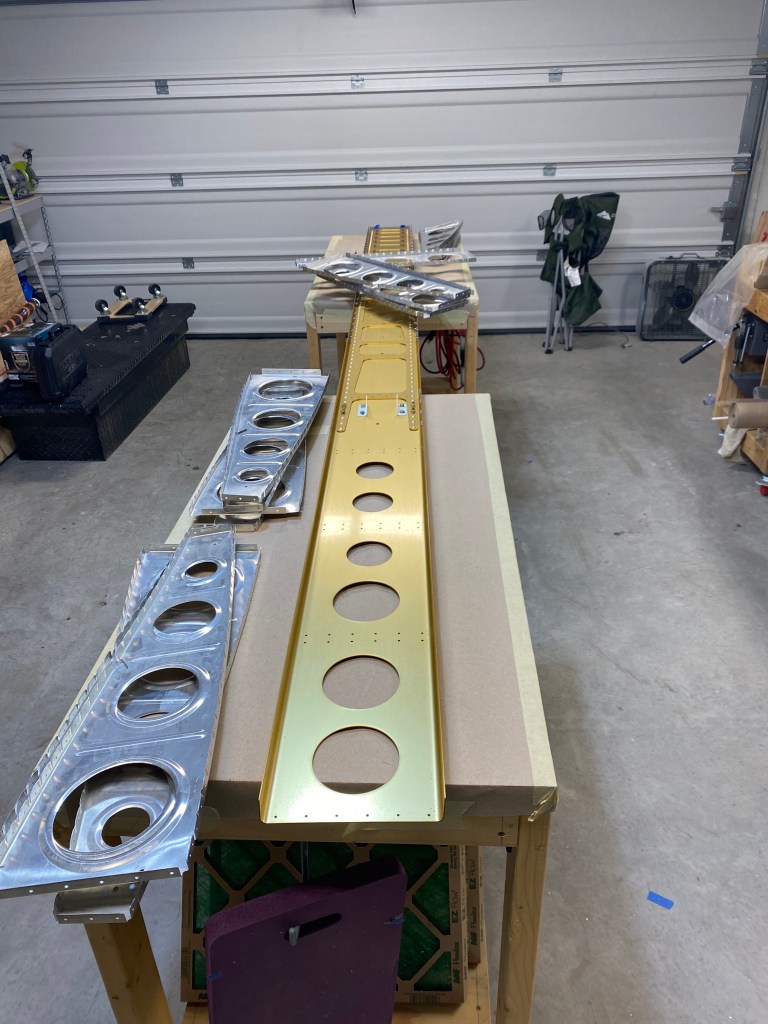
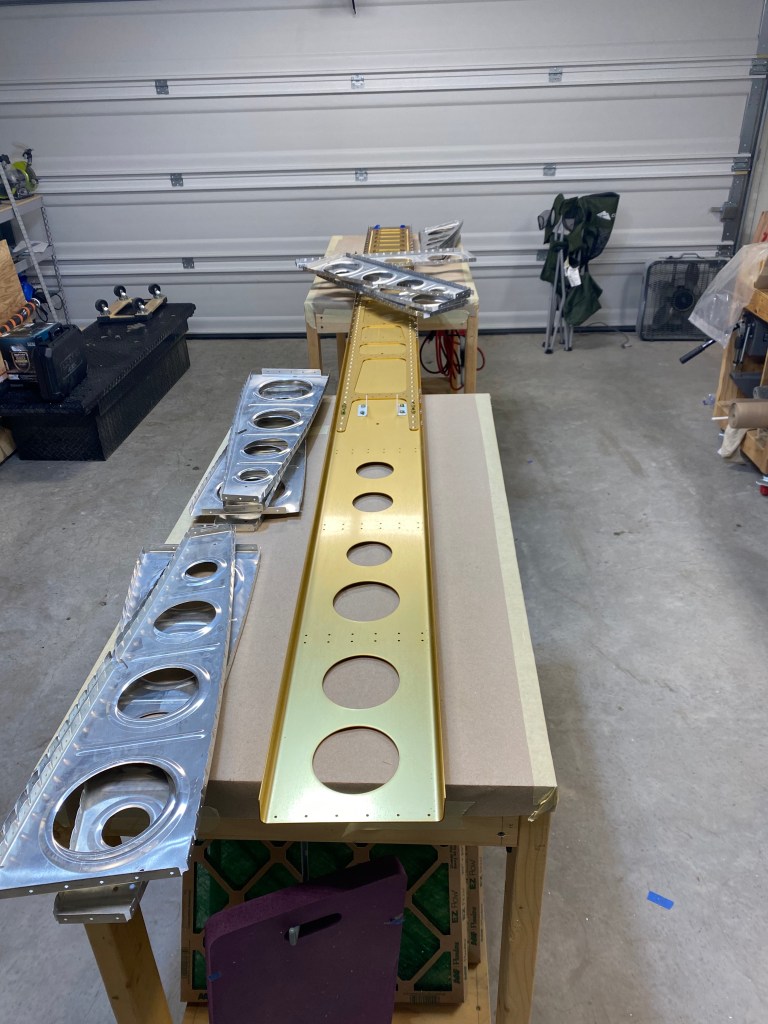
There are two main points where the wings attach to the rest of the plane. The first is the main spar, which we talked about earlier. The second is the rear spar. Just like the main spar, the rear spar attaches to the wing ribs (we will talk more about these later, I promise!). The rear spar also has several doublers for additional brackets to be added. So you can see in the pictures below some of the doublers, and both the left and right rear spars.

The normal process of match and final drill continues. Then remove the blue film, debur, and dimple where needed. At this point, I believe I can debur in my sleep! Since the airplane is symmetric, each side should be a mirror image of each other. While working on the aileron attach doubler, I noticed something did not look right. The two pieces where not a mirror image and I didn’t know why.

I went back and measured a reference mark on both rear spars, the left was one inch longer than the right. I went back to the instructions, and sure enough, the right doubler was positioned one inch off. Off to Van’s to order a replacement part. Valuable lesson learned here: read directions, measure, mark, reread directions, remeasure, step back and make sure it makes sense, then finally after all of that, drill. Luckily all the other doublers turned out great. Next is to prime all the parts.

Finally the rear spar doublers are riveted to the rear spar. This entire section was pretty straight forward. Next will be the wing skeleton structure.

Wing Skeleton

So now that the rear spar is complete, we can put together the main structure of the wing. This consists of the main spar, ribs (not the bbq kind), and rear spar. the first step is to attache the ribs to the main spar.

Then you add the rear spar, and you have the skeleton. Now time to match / final drill all of the holes, then take apart debur and prime the ribs. Pretty simple, but a big step. At this point, I realized how big the wings really are.

Wing Main Spar

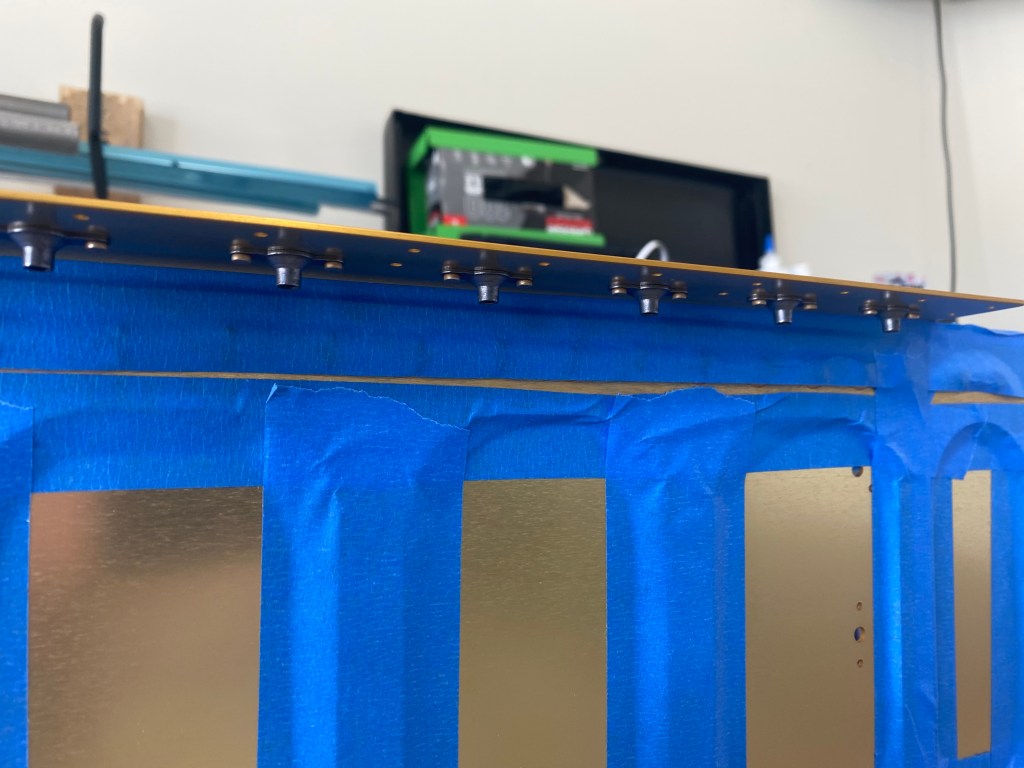
So the first step on the wings is to prepare the main wing spars for several other structures that will be attached to them. This is mainly accomplished by adding nut plates (some people call them plate nuts) to help attach the fuel tanks and inspection panels to the spar. To do this, we have to countersink the flange on the spar for the rivets to hold the nutplates and the screws for the fuel tanks.

I started out by adding painters tape to any gap where metal shavings could fall into. I did not want to have metal shavings fall into a gap. I do not think it would hurt anything, but easier to tape and not worry about it. The I started countersinking the rivet holes that will hold on the nut plates. Not too bad!

Next I coated with holes with a solution that will protect the aluminum and I riveted in the nut plates. There were a total of over 120 of these nut plates (remember I describe the action once, but then I have to repeat on the other wing) that I installed. Overall, very happy with the way they turned out.

Wing Kit Arrival and Inventory

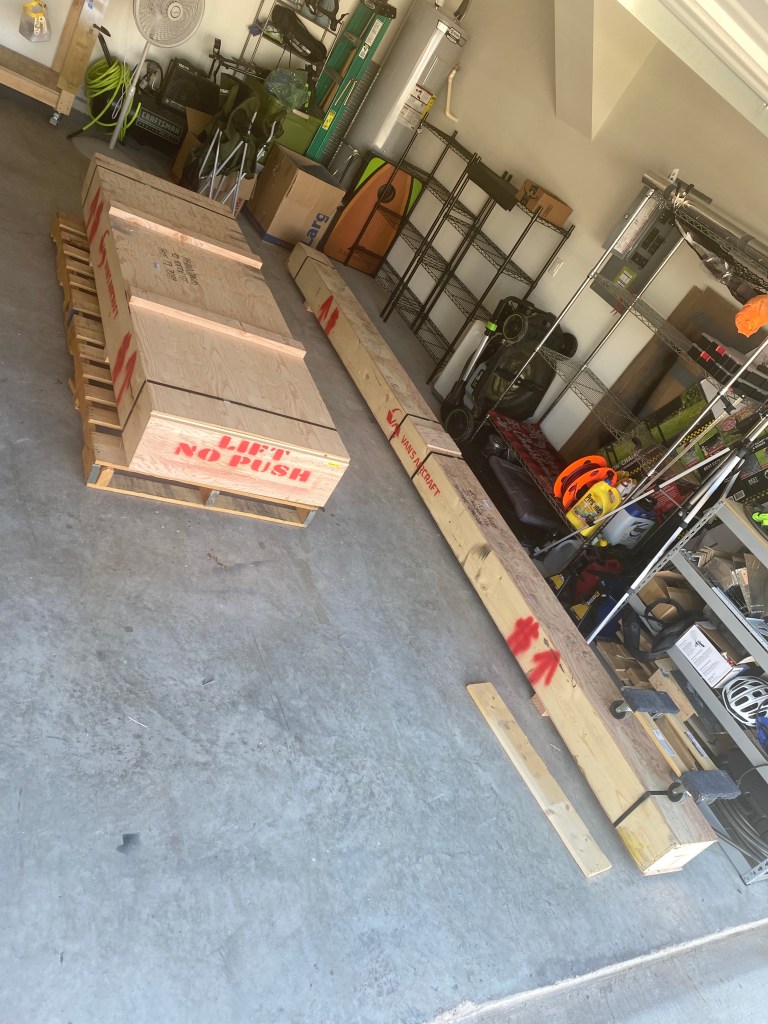
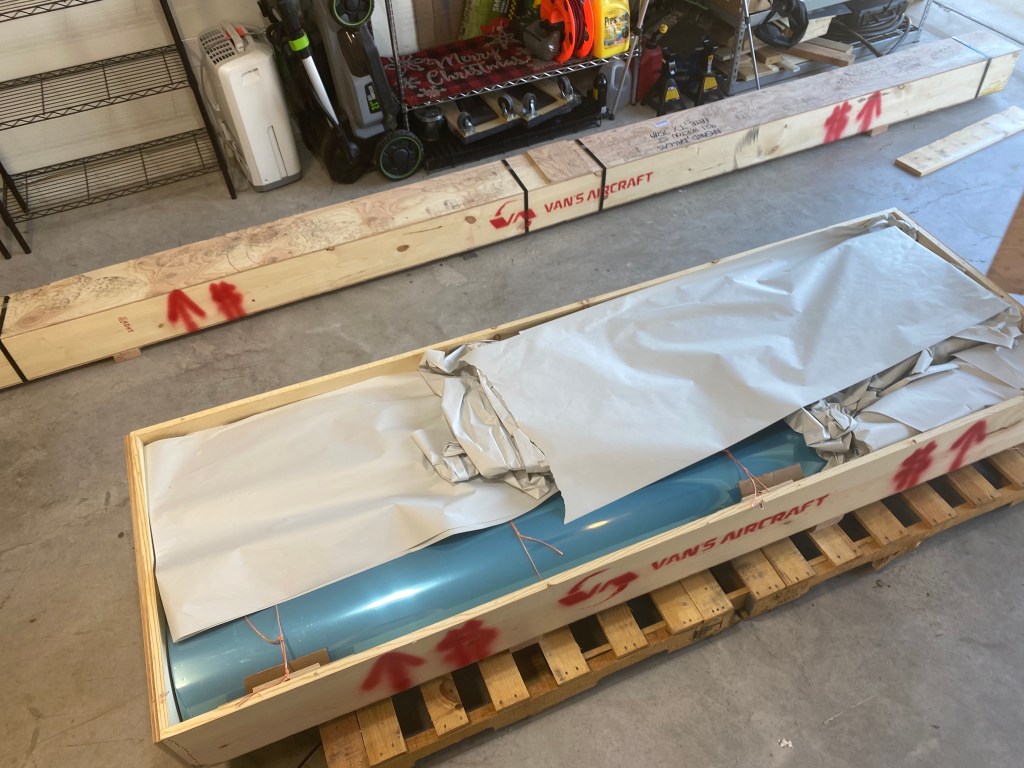
After the tail kit the next kit I chose to assemble was the wing kit. This includes the wings, fuel tanks, ailerons, and flaps (two of each). So this was the first cross country freight shipment I have ever had before. It was a new process to learn, but it was not very complicated. Luckily, my dad was able to come to town to help me receive and inventory the kit.

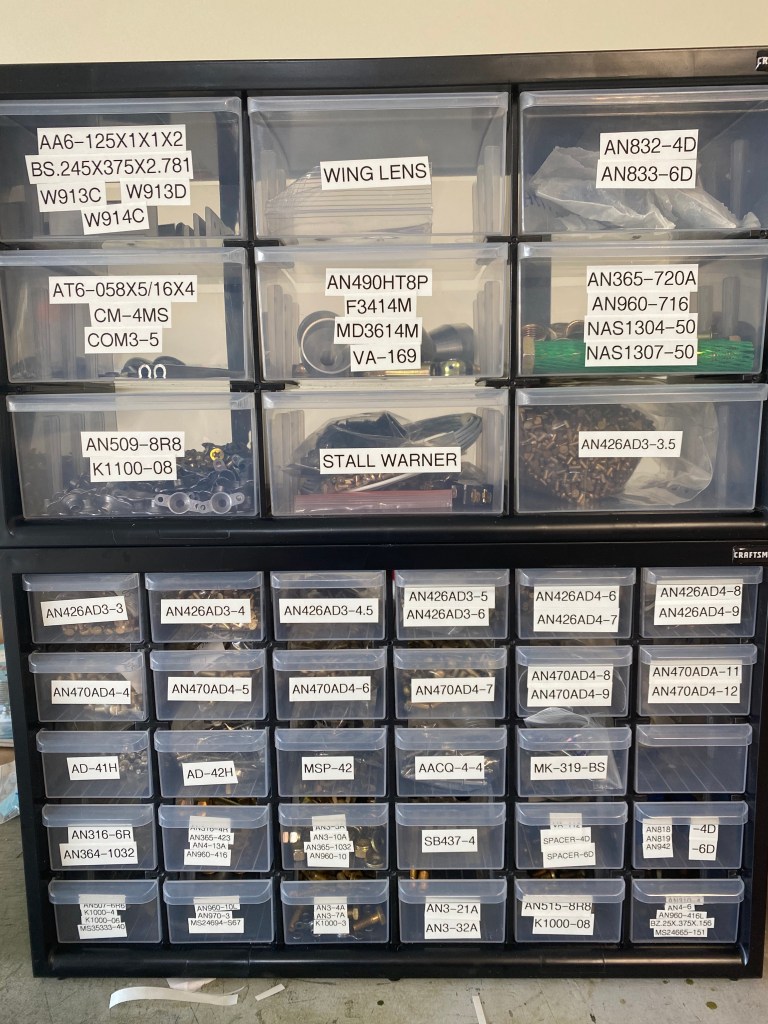
I think it totaled 8 pages front and back of parts and hardware. I decided to put the hardware into a bin I got from Lowe’s. All of these items had to be counted.