Riveting the Wing Skins


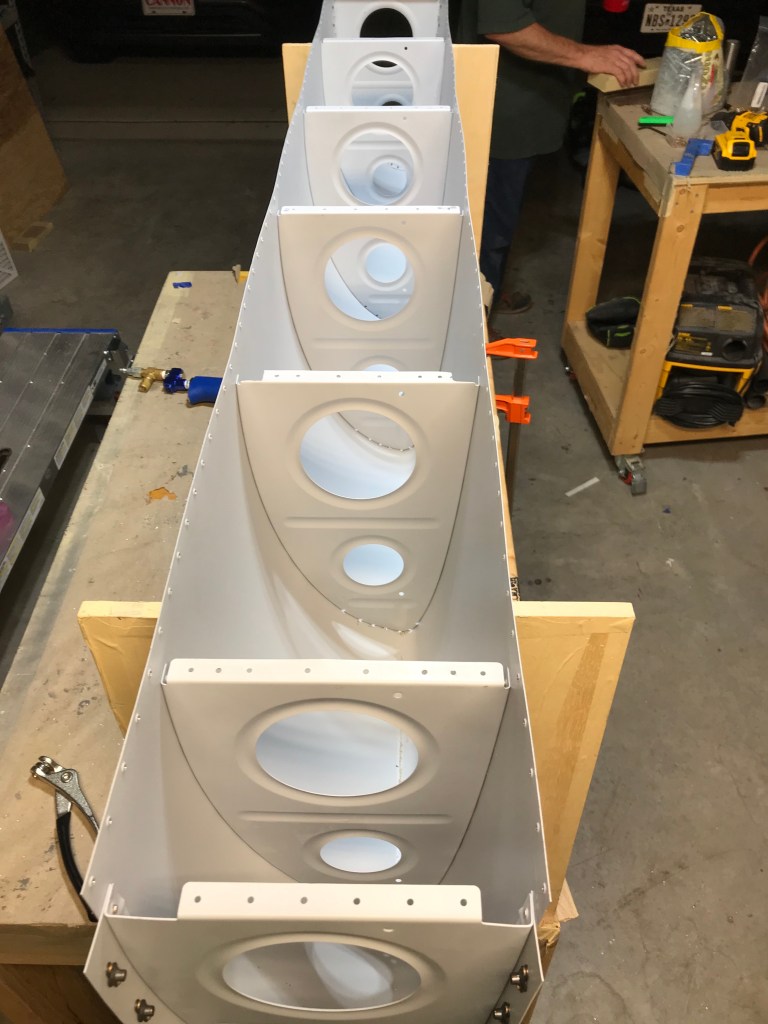
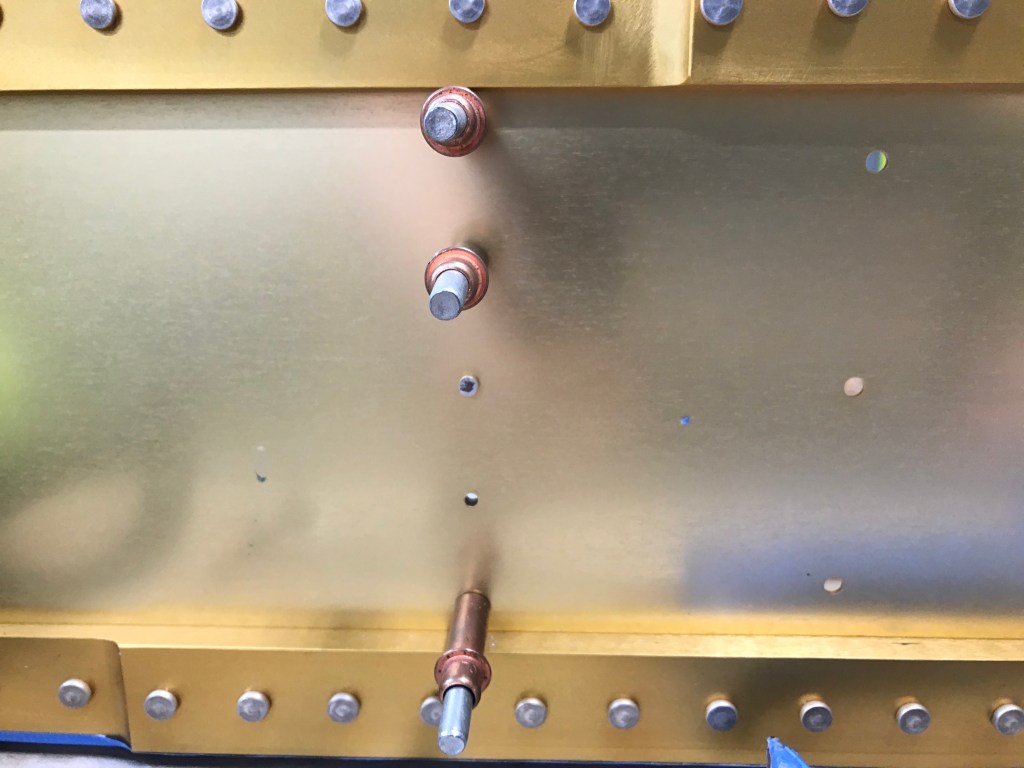
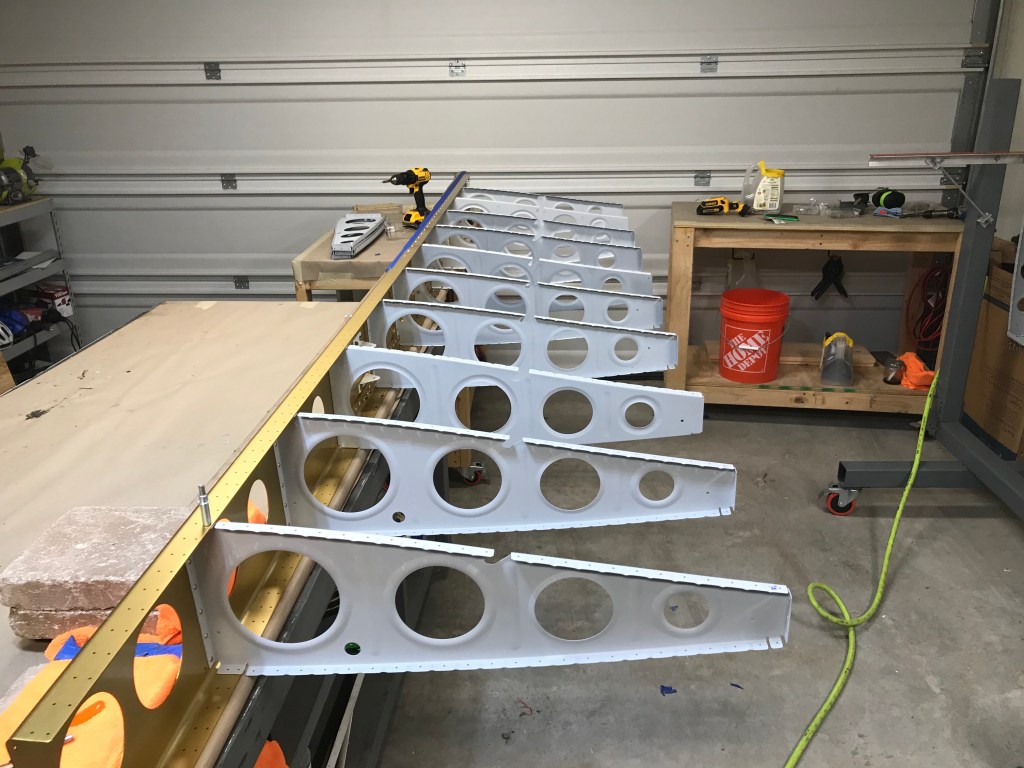
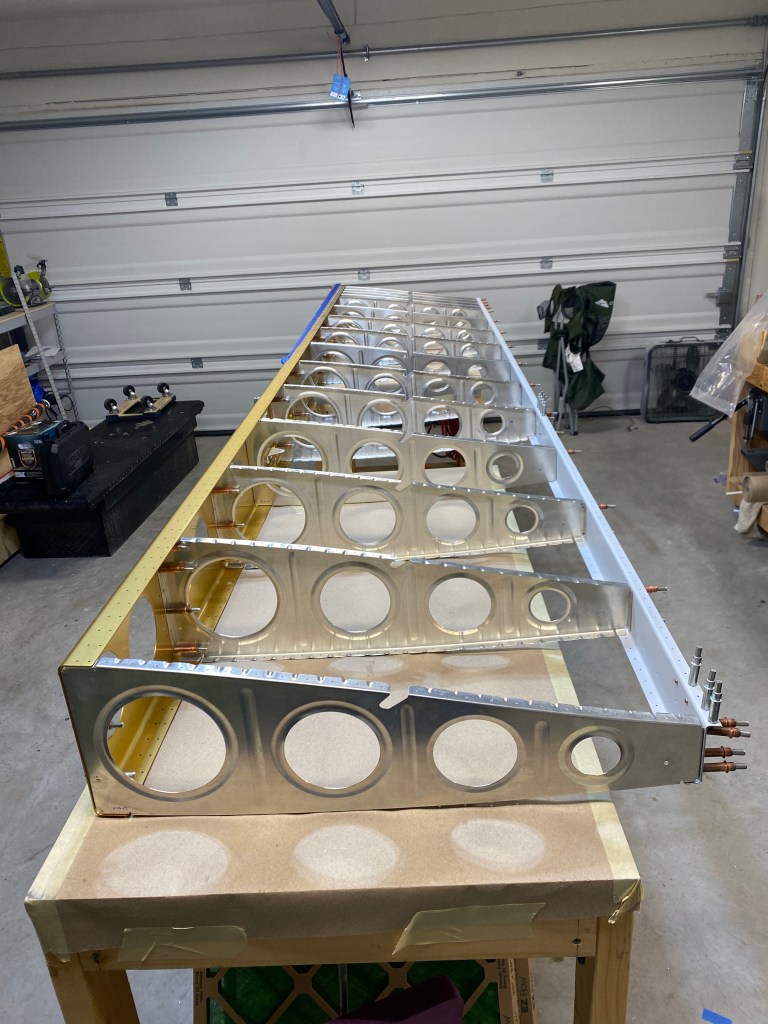
So now that the fuel tank and leading edge is on the wing, now it is time to add the top skins. We started with the inboard top skin and wing walk doubler. In the first picture below you can see five ribs very close to each other. The large number of ribs in a small area designed to disperse the weight of a passenger or pilot while entering or exiting the aircraft. There is an extra piece of skin in between the ribs and the actual skin to help with the dispersement.

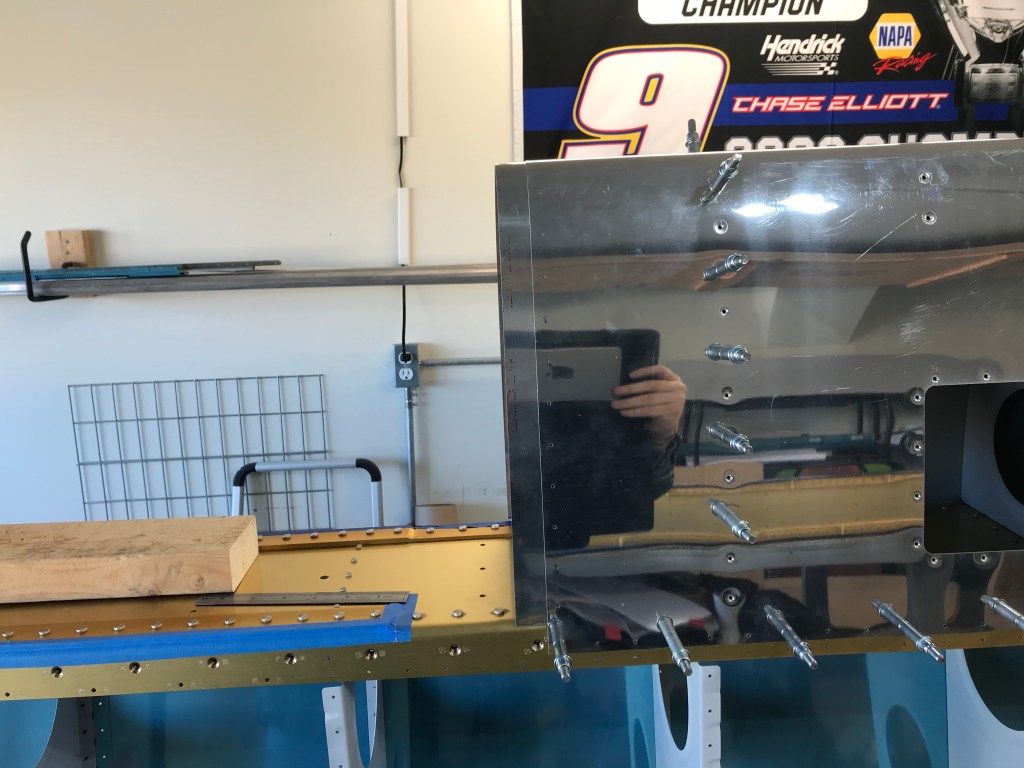
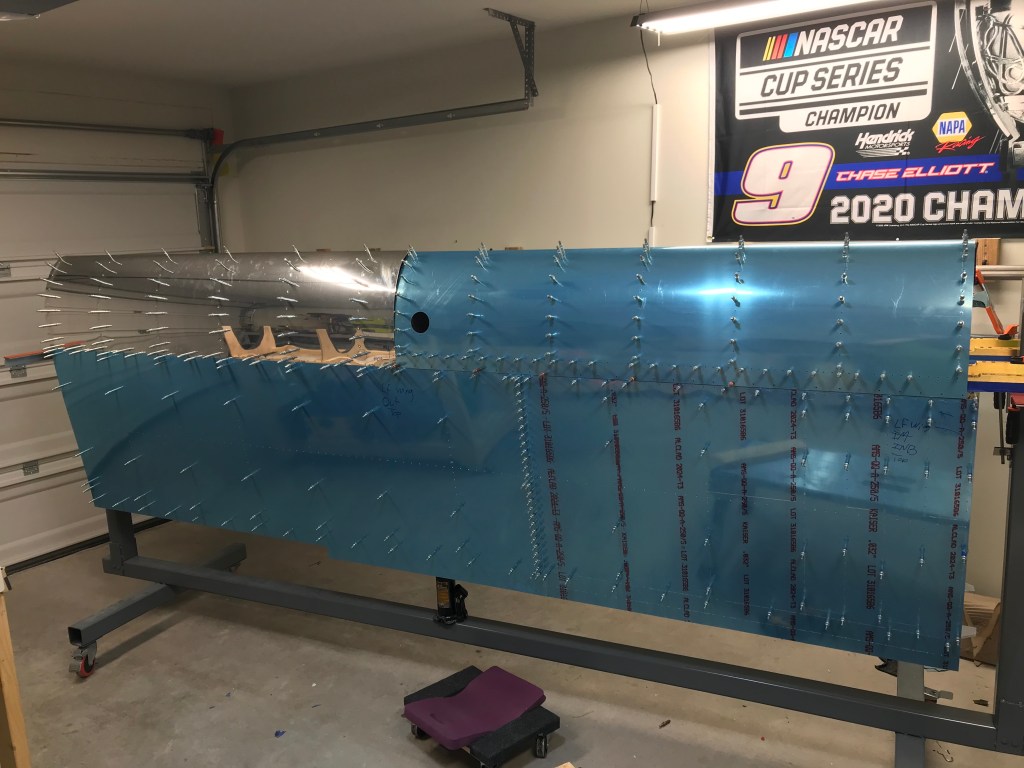
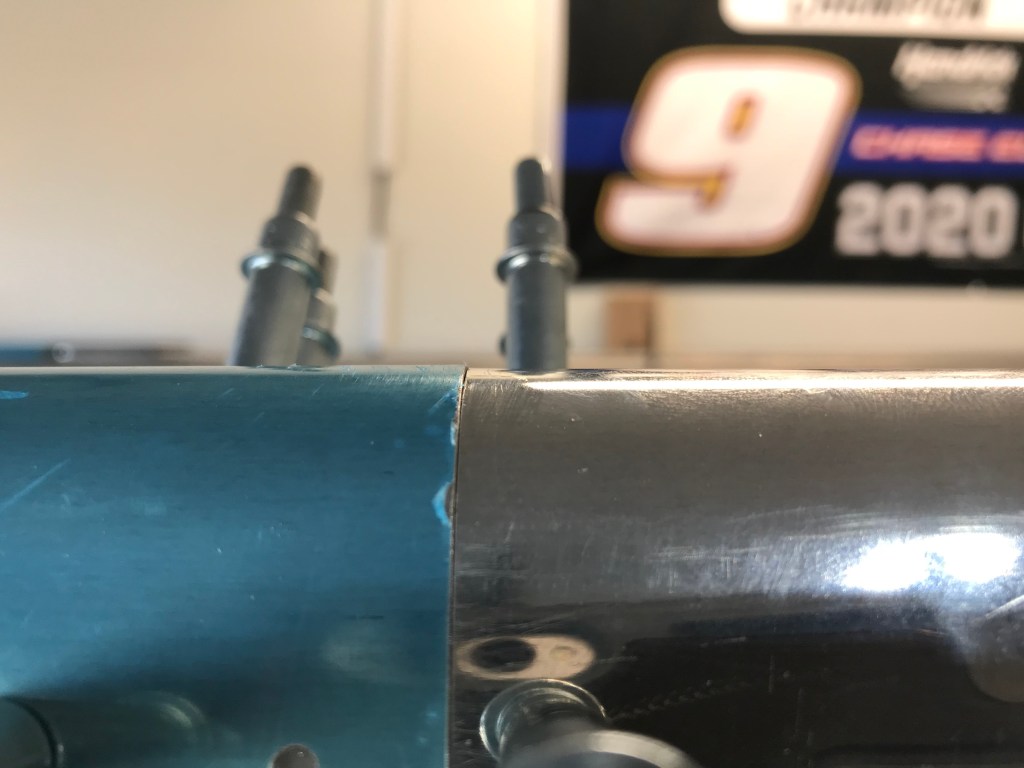
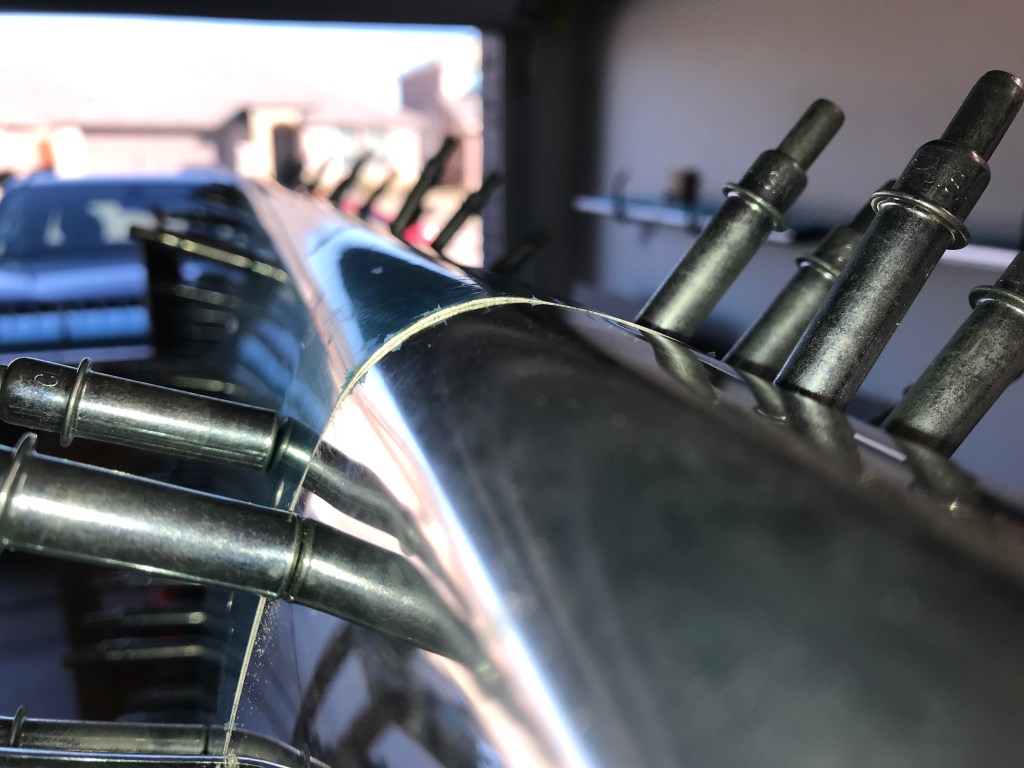
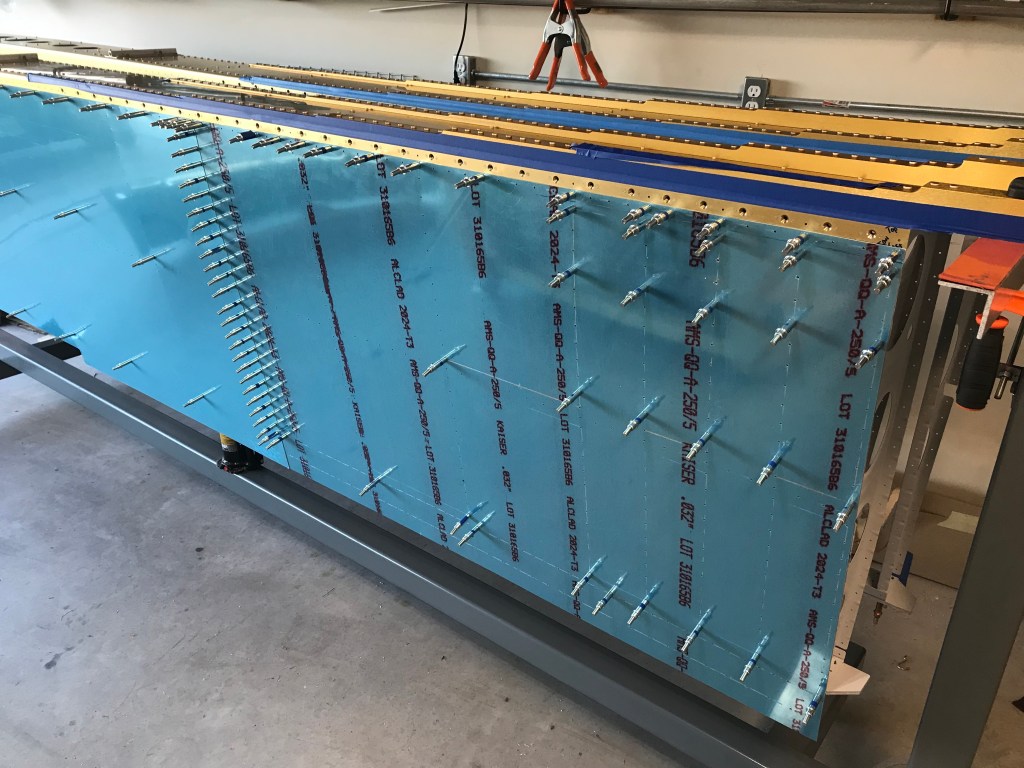
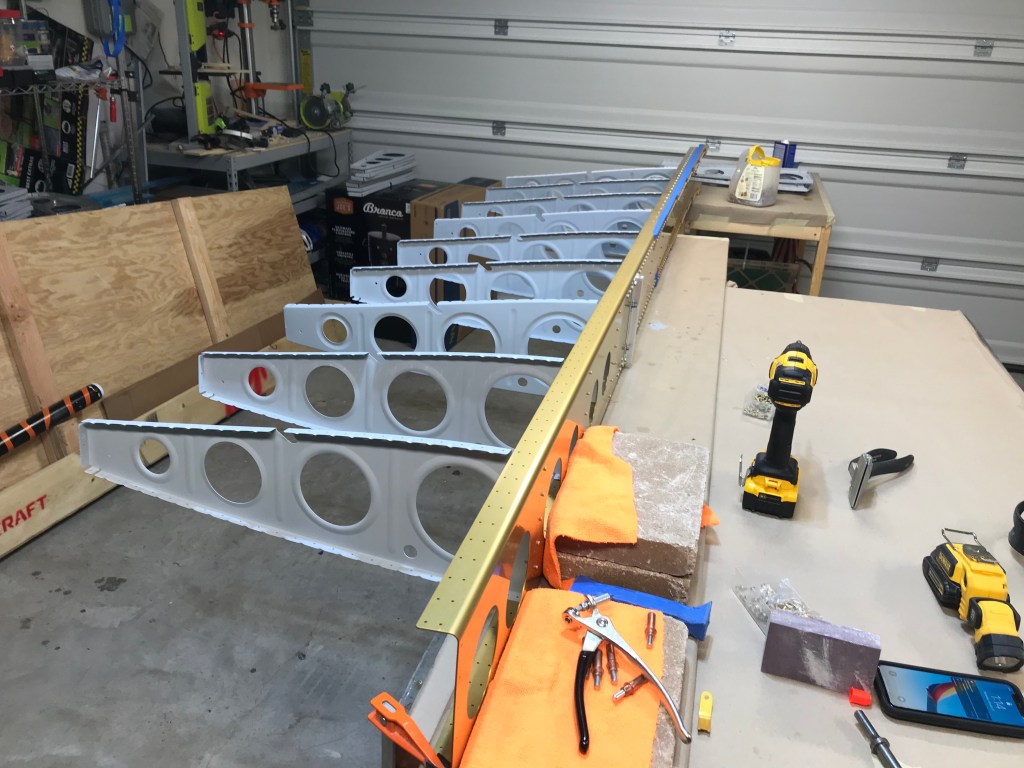
After getting the skins in place and clekoed in place my dad and I began riveting. He was on the inside, and I was on the outside. Once the inboard skin was on, we put on the outboard and continued.
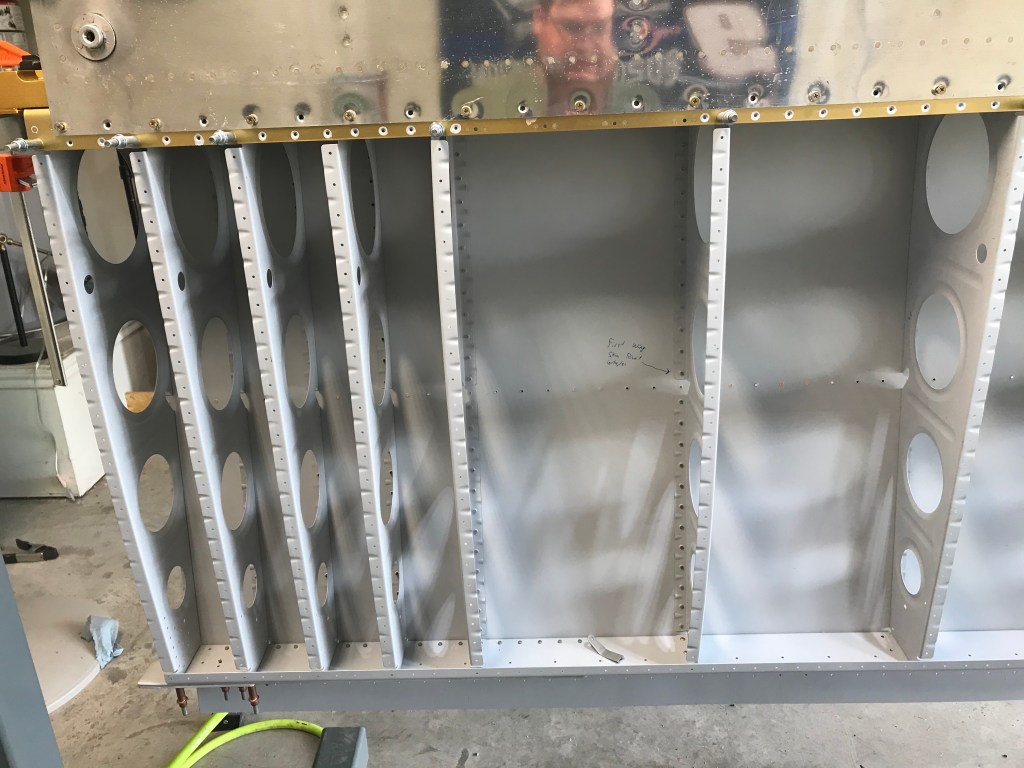
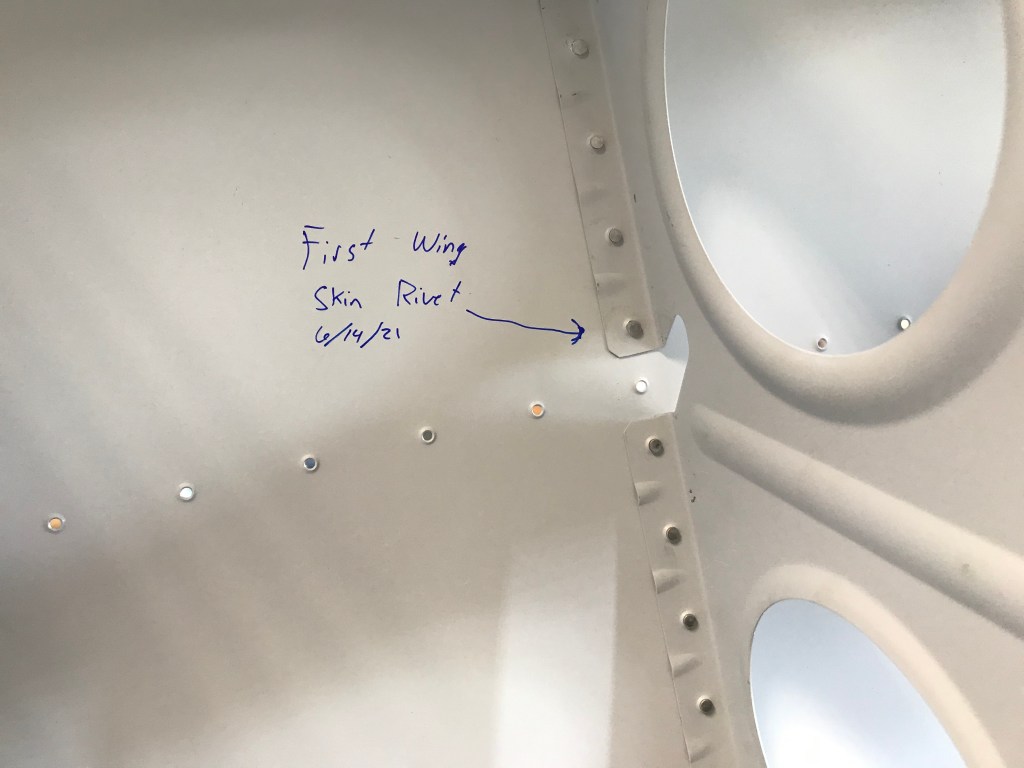
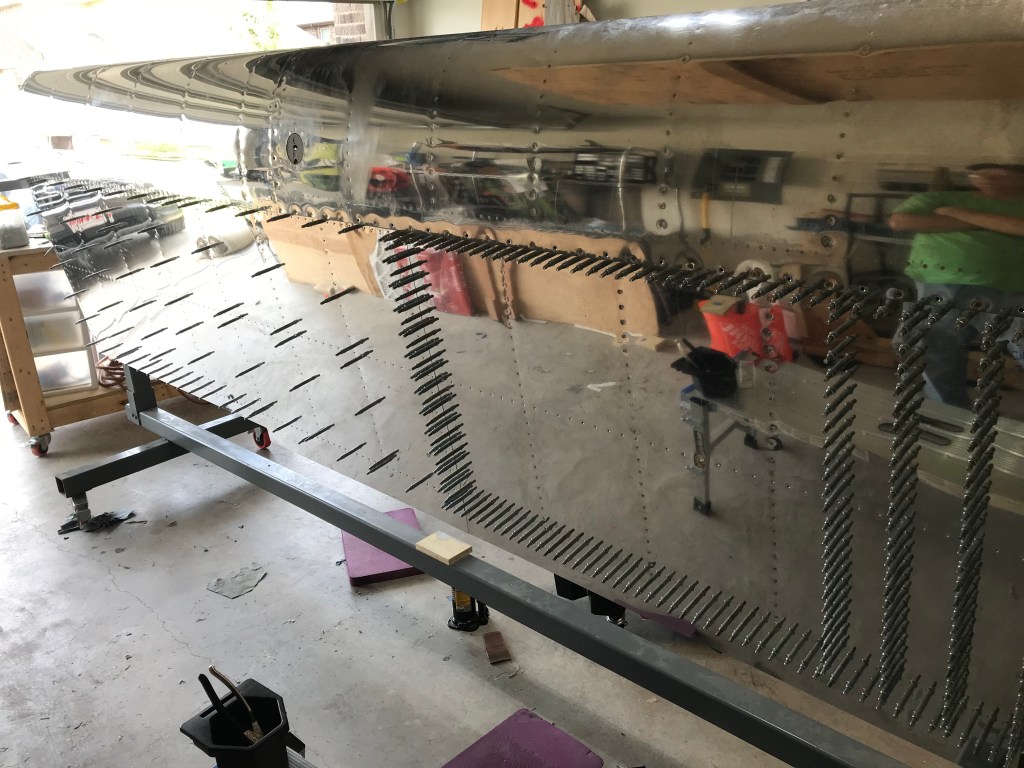
We started close to the middle and worked our way to the outsides. Once both the inboard and outboard skins were attached, a J stiffener was added down the middle. This helps to add stiffness to the structure. Finally, the top skin was completely riveted to the structure. This was a big moment. I was also surprised how rigid the structure was.

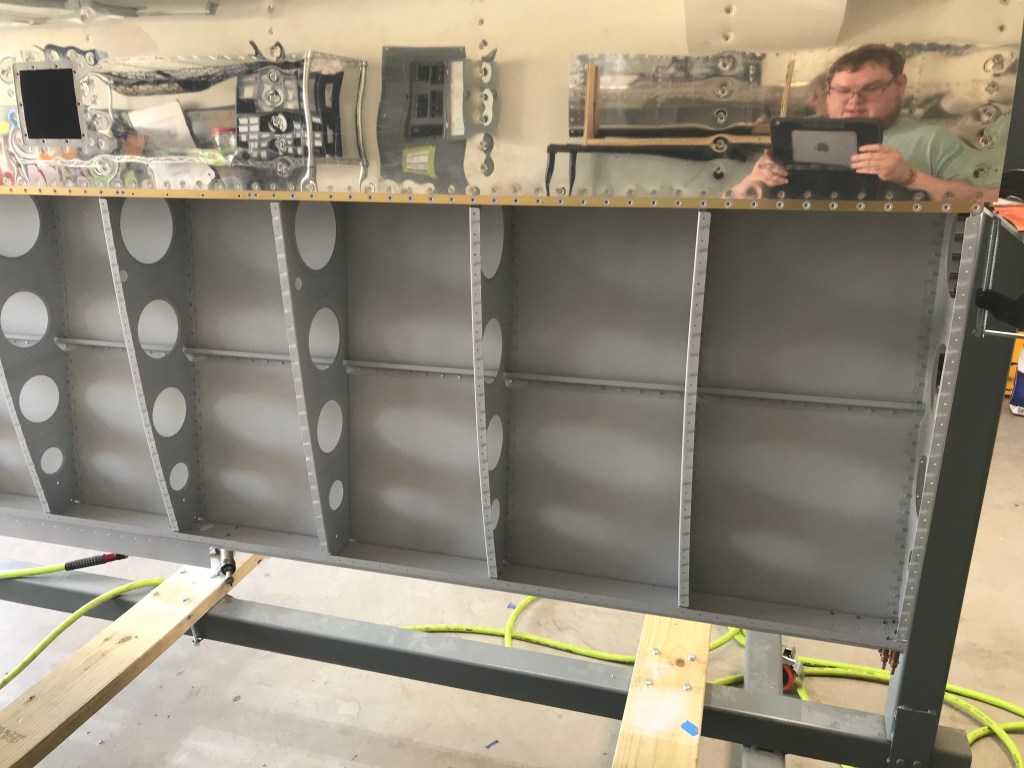
Now that this is all done, time to do it all again to the other wing!

Finishing Leading Edges and Creating the Front of the Wing

Now that the tanks are finished, time to rivet the leading edges so they can be added to the spars. Most of the work was already completed before the leading edges were primed. They were just clecoed back in place, and then riveted. This went pretty easily, and next it is on to putting the tanks and leading edges on the wing spar.


So next was putting the tanks and leading edges on the main spar. First the leading edge goes on. Then the tank is added. This helps to ensure there is no sag in the spar when the main skins go on.


This is super exciting! Great progress, even though it is hot outside in Texas now. it really starts to look like a part of an airplane now. Next will be the main wings skins.

Fitting Leading Edges and Tanks

So, now that we have the structure together and the skins on the it, the time has come to fit the fuel tanks and the leading edges. This is the first time that I really got an understanding for how the wing will look and the size. I was surprised. The first step was to attach the leading edge to the spar. this is done by attaching the ribs of the leading edge to the web of the spar (photo one below). Once in place and secured, a splice strip allows the tank to be screwed into it. This means the tank will be screwed into the leading edge.

After leading edge was on, the tank is fitted. It is secured to the spar. Below are pictures of the left wing with both the tank and leading edges on. Big accomplishment.

One big factor is how well these two parts line up. They are both made off the wing, and at this point, it would be very difficult to change the shape. Luckily, both the left and the right sets line up very closely, and I deemed it acceptable.

The last little step in attaching the tank for fit, is to drill the attach holes into the “Z” attach brackets. Since you want these to fit perfectly, the center (of three) holes is drilled before going on the spar, but once there the other two are matched drilled. This ensures a perfect fit. Next up will be more fuel tank work!

Fitting the Skins to the Wings

So now that the structure for the wing has been riveted together, the structure is moved to the wing stand. This stand rolls and allows me to move it around the garage. Even with this stand, I am able to park my truck in the garage each night. The skins are cleoced to the structure. There are two skins for the top and two for the bottom.

Once the skins are on, they are match drilled to the ribs. This is more “normal” work. On the top skin, a stiffener is ran the entire length of the wing. This has a special “J” shape, and helps to provide rigidity to the structure. These come without any holes, so you draw a line down the center and use that to help keep it centered while you match drill it to the skin.

Riveting the Right Wing Structure

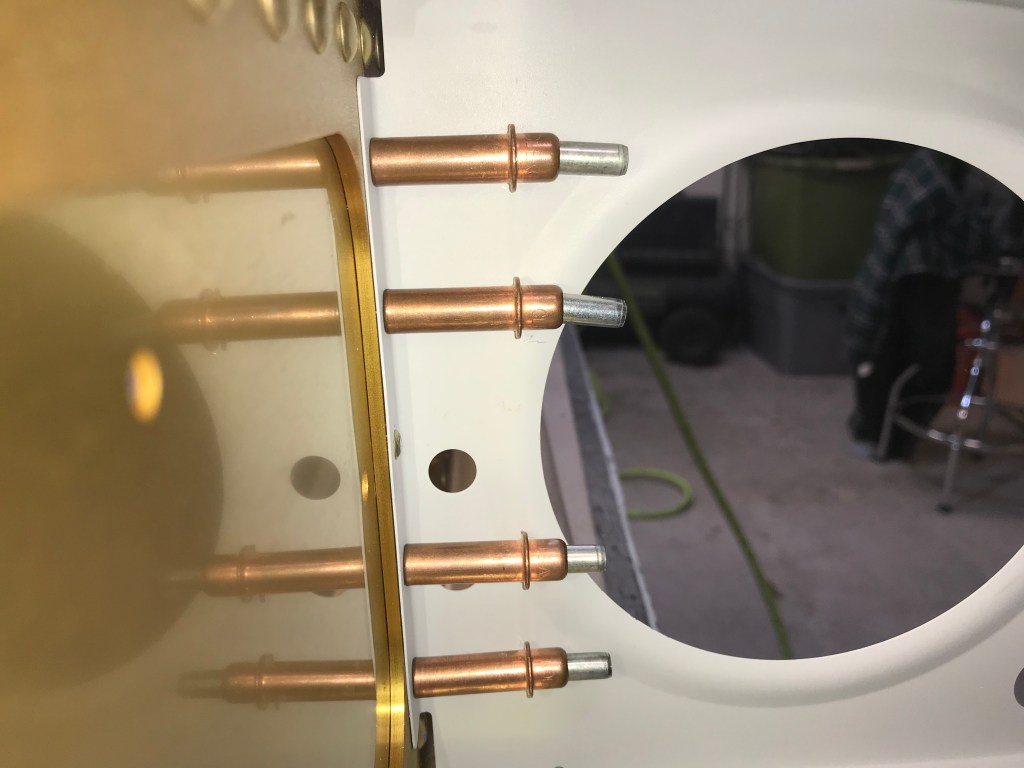
So now it is time to start riveting the ribs to the main spar. This is a nerve-racking time. The spars are very expensive, and something that you do not want to mess up. So I took my time, and made sure that I was ready for every rivet. There are a total of 14 ribs to be riveted, so it takes a little while. Each rib had 5-6 rivets. Once I started to get into a rhythm, it went very well. Overall, I only had to replace two rivets.

After the ribs are riveted to the main spar, they are then riveted to the rear spar. This is much easier, as a different tool can be used. The entire process is then repeated on the right side.

Main Wing Structure

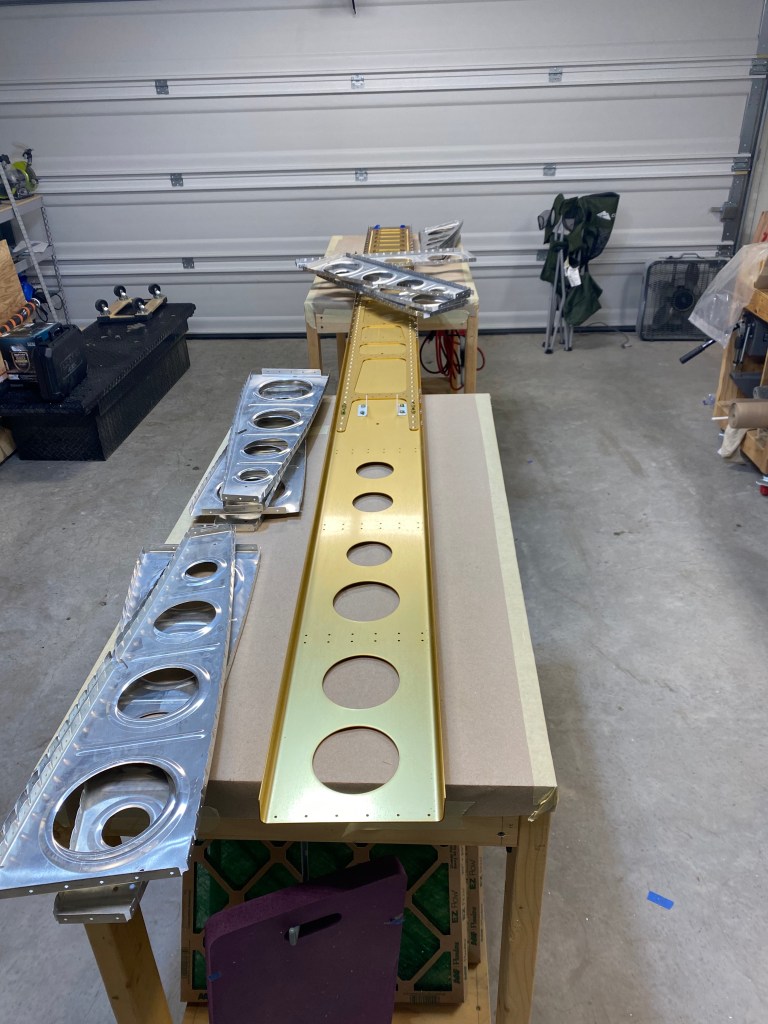
So now that the rear spar was match drilled together, it’s time to put the ribs between the spars, and match drill ribs to the main and rear spar. The most difficult part of the process was making sure that right rib was in the right place. There were two types of ribs, and each had a left and a right. The easiest way to to explain the differences in the ribs is one was inboard, and one outboard. The left and right noted which way the flange faced. This would be important when it’s time to add the skin.

The plans only detail the left wing, so you have to mirror it for the right wing (what was a left rib is now a right ribs, what was right is now left). So that part was confusing, but I made it through it, and I was extremely happy to have the ribs matched.